News
The latest from the AI agent ecosystem, updated multiple times daily.

OpenAI Cracks Azure Grip as GPT Hits Amazon Bedrock
OpenAI's GPT-5.5 and GPT-5.4 are coming to Amazon Bedrock in preview, breaking Azure's exclusive hold on OpenAI's frontier models. Developers can now build agents with persistent memory through Bedrock's existing APIs, as OpenAI follows Anthropic's multi-cloud playbook.
Ubuntu's 2026 AI Play: Local Inference, Agents, and Snap Flashbacks
Canonical is baking AI into Ubuntu throughout 2026, starting with local inference by default and out-of-the-box NPU driver support. Agentic workflows and context-aware OS features are on the roadmap, but Canonical hasn't defined what those actually look like in practice.

AISLE Finds 38 Bugs in OpenEMR Medical Records Platform
AISLE's AI-powered security analyzer discovered 38 vulnerabilities in OpenEMR, an open-source electronic health record platform used by over 100,000 medical providers. The findings included SQL injection, XSS, path traversal, and authorization bypass issues. AISLE generated fix proposals for the vulnerabilities and has now integrated AISLE PRO into OpenEMR's code review workflow to prevent future vulnerabilities before they reach production.
Claude Code and the Copyright Void
An analysis of copyright issues haunting AI-generated code, triggered by Anthropic's Claude Code leak. Code may lack copyright without meaningful human authorship, employers may claim it via work-for-hire clauses, and outputs resembling GPL-licensed training data can silently import copyleft obligations. Includes practical guidance on documentation and license scanning.
Google Drops AI Veto Power in Pentagon Deal
Google signed a classified deal with the Pentagon letting the government use its AI for 'any lawful government purpose' with no veto power. The contract mentions no domestic mass surveillance or autonomous weapons without human oversight, but Google can't enforce those limits. Google now joins OpenAI and xAI with classified Pentagon deals, while Anthropic was blacklisted for keeping its guardrails.
Waiting for LLMs Sucks: Give Your Users Arcade Games
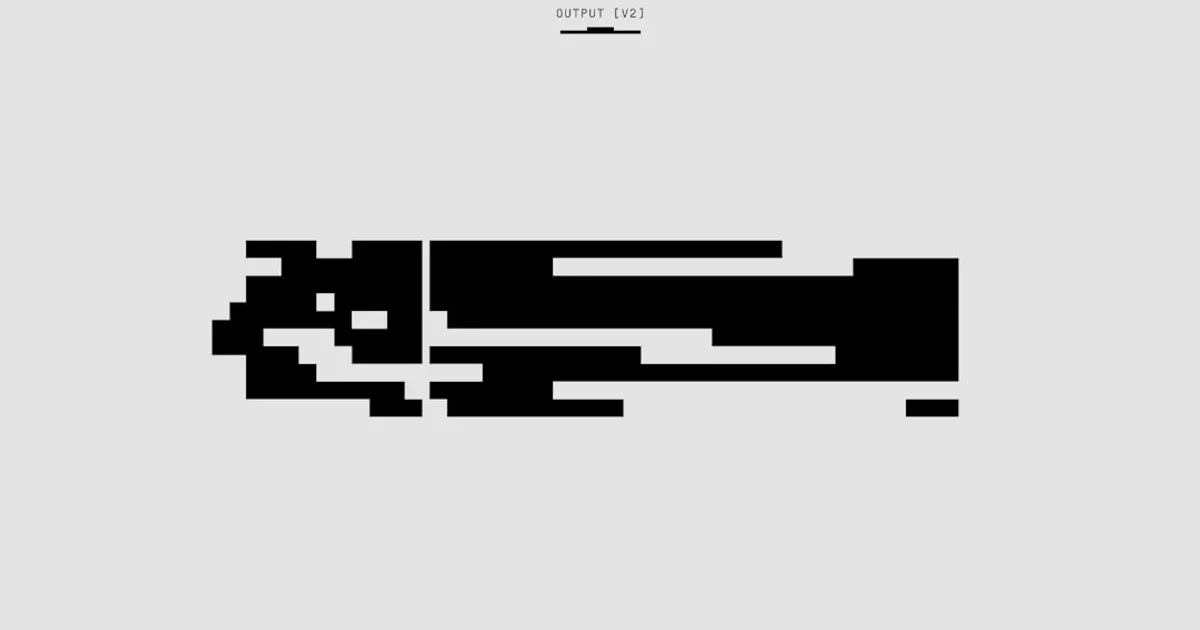
react-waiting-game is a React component library that drops 5 mini-arcade games into loading states for LLM calls, builds, and uploads. Features zero runtime dependencies, SSR-safe implementation, 1-bit pixel art, localStorage high scores, achievements, combo multipliers, and customizable skins.

Ed Zitron's AI Bubble Case Crumbles Under Evidence
Kelsey Piper takes aim at tech critic Ed Zitron's evolving case against AI, arguing his shift from reasonable economic skepticism in 2024 to fraud allegations in 2026 reveals a thesis that can't survive contact with reality. The piece is direct and opinionated, pointing to plunging costs and rising adoption as evidence the bubble narrative needs rethinking.

OpenAI misses revenue targets, AI stocks sell off
The Wall Street Journal reported that OpenAI missed internal projections for user growth and revenue, triggering declines for Oracle, Nvidia, Broadcom, AMD, and CoreWeave. The shortfall raises questions about OpenAI's ability to fund its massive compute commitments, which use take-or-pay contracts. OpenAI disputed the report. Analysts split on whether this signals a sector problem or just OpenAI losing ground to Anthropic and Google's Gemini.

Intel's Arc Pro B70: 32GB VRAM, $950, Built to Break CUDA's Hold
A hardware review of Intel's Arc Pro B70 professional GPU, featuring 32GB of VRAM and designed for AI workloads. The B70 offers twice the Xe cores and VRAM of the B50, undercutting AMD's Radeon AI PRO R9700 by about 30%. Benchmarks cover professional applications and MLPerf AI tests against AMD and NVIDIA competitors. HN commenters note concerns about driver quality, power efficiency, and availability.

Utah greenlights 9GW AI campus using over twice state electricity
Utah's Military Installation Development Authority approved O'Leary Digital's 'Stratos' project, a 9 GW off-grid data center campus powered by natural gas that would consume more than double Utah's current electricity usage. The project aims to attract hyperscale cloud operators with significant tax incentives, though no tenants have been publicly named yet. O'Leary Digital has no track record building data centers.
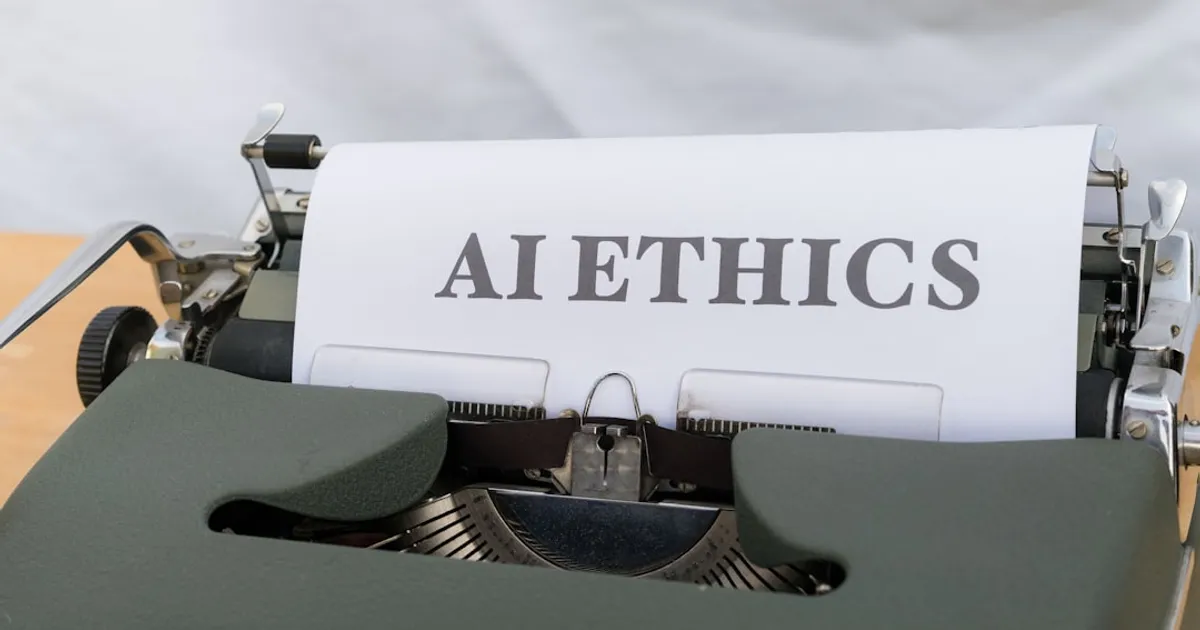
Zitron lost his AI bubble argument, so he's calling everyone frauds
Ed Zitron went from calling AI a bubble to accusing OpenAI and Anthropic of fraud. Kelsey Piper explains why that shift reveals more about his argument than his targets.

Lenovo-Phoenix Deal Leaves BIOS Market with Just Two Vendors
Lenovo completed its acquisition of Phoenix Technologies' firmware (BIOS) business, including intellectual property and the Dublin-based team. Financial terms weren't disclosed. The deal turns a 20-year vendor relationship into an internal capability, giving Lenovo direct control over firmware development for its PCs and AI-enabled devices.
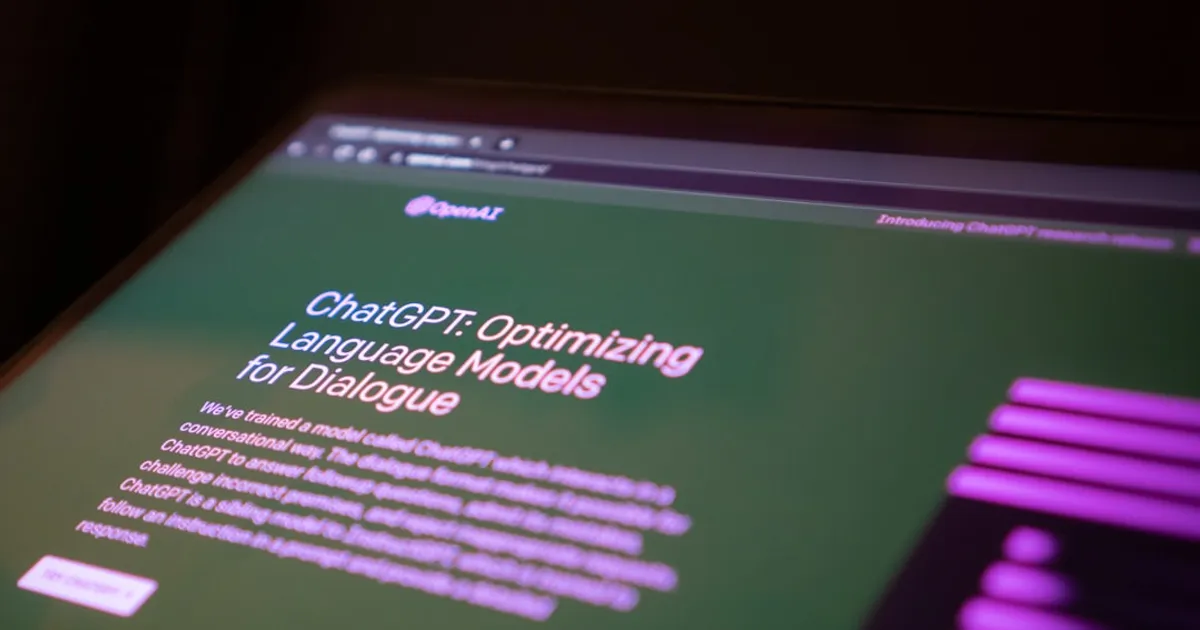
Ubuntu's 'AI Kill Switch' Is Achieved by Removing Snaps, Initially Opt-In
Canonical's VP of Engineering Jon Seager clarified plans to integrate AI features into Ubuntu Linux starting with version 26.10. AI features will be delivered via Snap packages, making them removable by uninstalling Snaps. Features will initially be opt-in, use local inference with local models, and won't be cloud-based. Potential features include text-to-speech and camera focus. Canonical also confirmed they will ship code co-authored by AI.

OpenAI Revenue Miss Triggers AI Infrastructure Selloff
OpenAI reportedly missed internal revenue and user growth projections, sending AI infrastructure stocks down 3-5%. The bigger story is the take-or-pay GPU contracts underneath. OpenAI locked in massive compute deals with providers like Oracle and CoreWeave, who then used those contracts as collateral to borrow billions. Growth slows, and that debt exposure ripples downstream.
AlphaZero creator lands $1B to make AI learn like evolution
Ineffable Intelligence, a British AI lab founded by former DeepMind researcher David Silver, raised $1.1 billion in funding at a $5.1 billion valuation. The company aims to create a 'superlearner' that discovers knowledge without human data using reinforcement learning techniques similar to AlphaZero.

GitHub Copilot Code Reviews Now Bill You Twice
Starting June 1, 2026, GitHub Copilot's agent-powered code review feature will begin consuming GitHub Actions minutes in addition to AI Credits for private repositories. The code review runs on GitHub Actions using GitHub-hosted runners as part of its agentic tool-calling architecture, allowing it to pull in broader repository context for more relevant feedback.

Copilot's Pricing Pivot Exposes AI's Subscription Problem
GitHub Copilot is ditching flat-rate pricing. Microsoft was losing $80/month on power users paying $10. The subscription model worked when AI just answered questions. Now agents burn tokens in open-ended loops, and the math falls apart.

Ed Zitron has lost the plot
Kelsey Piper argues that Ed Zitron's AI bubble claims have shifted from reasonable economic skepticism to unfounded fraud allegations against OpenAI and Anthropic, despite growing enterprise adoption, falling costs, and rising revenue.

PyWry Bakes MCP Server Into Python UIs That Run Everywhere
PyWry is a Python cross-platform UI framework targeting desktop, notebooks, and web from one codebase. Built on PyTauri's vendored 30.8MB Tauri runtime, it ships with MCP server integration for AI agent interaction, two-way Python-JS bridging, OAuth2, and support for AgGrid, Plotly, and TradingView. Hacker News commenters dispute the 'rendering engine' label, but the agent-ready approach fills a real gap.

Anthropic passes OpenAI at $1T and it's a feeding frenzy
Anthropic has reached a $1 trillion valuation on secondary markets, surpassing OpenAI's $880 billion. The surge is driven by revenue growth from Claude Code adoption and partnerships with Amazon and Palantir, with annualized run rate jumping from $9B to $39B. But scarce shares and prestige-chasing investors have turned ownership into a status symbol.
Anthropic Backs Blender's Python API in Play for 3D Market
Anthropic joined the Blender Development Fund as a Corporate Patron, funding core development including the Python API. The move gives Claude a potential inside track on 3D integration while OpenAI sits out the patron list.

Anthropic's Mythos SWE-bench Proof Has a Fatal Flaw
Matt Dupree found a fatal flaw in Anthropic's argument that Mythos's SWE-bench gains are genuine. A Python simulation shows how a cheating model could produce the same results under an imperfect memorization detector. Without quantifying the detector's error rate, Anthropic's evidence doesn't hold up.

Cua Driver lets AI agents run any Mac app without stealing your cursor
Cua Driver lets AI agents click, type, and scroll through any macOS app in the background. You keep your cursor and focus. It even handles apps that normally resist automation, like Figma and game engines.
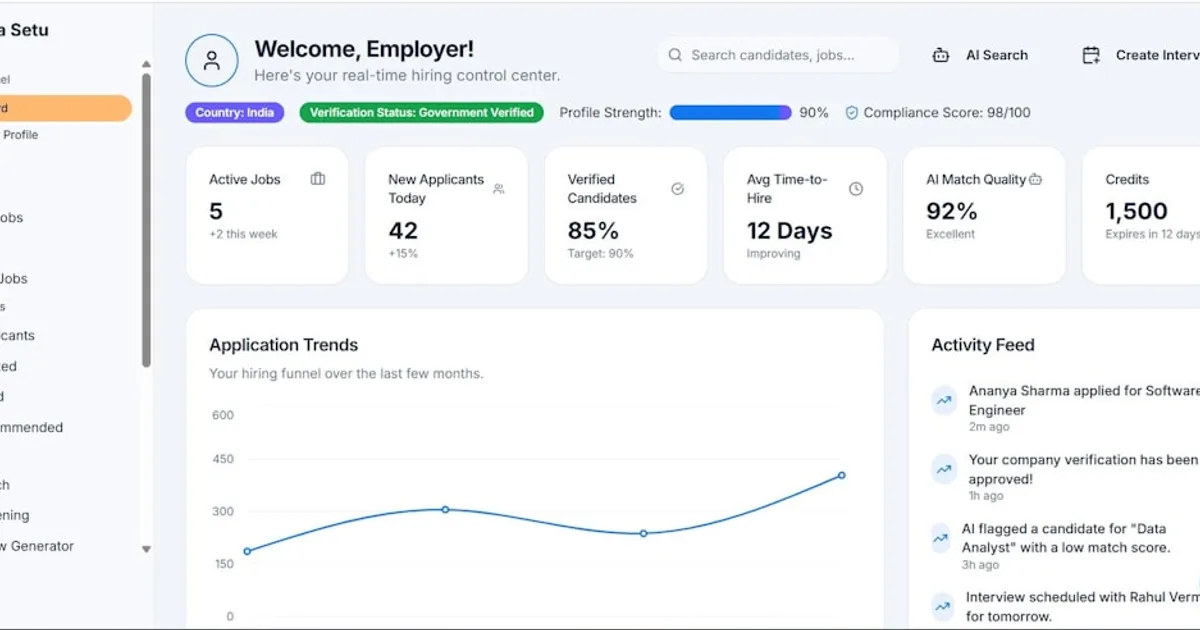
Anthropic quietly paywalls Opus for Claude Pro users
Anthropic's Claude Code documentation now states that Pro subscribers must enable and pay for extra usage to access Opus models, marking a shift away from flat-rate pricing for premium model tiers.
Stale Anthropic Docs Reveal Unannounced Claude Models
A Claude Help Center article details model configuration options for Claude Code, including the /model command, --model flag, and environment variables. It lists supported models (Opus 4.7, Sonnet 4.6, Opus 4.6, Opus 4.5, Haiku 4.5, Sonnet 4.5) and states that Pro plan users can only use Opus models after enabling and purchasing extra usage. However, an HN comment from an Anthropic team member clarifies this is outdated documentation, as Opus 4.5 was rolled out to Pro plans in January 2025.

AMD's Lemonade SDK 10.3 Dumps Electron, Shrinks 10x
AMD released Lemonade SDK 10.3, switching from Electron to Tauri and cutting binary size from ~100MB to ~10MB. The update adds OmniRouter for routing multi-modal AI requests through a single API endpoint, supports switching between ROCm versions (7.2 stable, 7.12 preview, TheRock nightly), and defaults to ROCm 7.12 preview. Lemonade provides local chat, vision, image generation, transcription, and speech through standard APIs.

AI Bubble? HN Users See Runaway Costs, Spread False Sora Rumor
A Hacker News discussion examining whether the AI market is in a bubble. Comments highlight concerns about high compute costs, investor enthusiasm versus actual revenue, and skepticism about AI capabilities. One commenter mentions OpenAI closing Sora AI and canceling a Disney contract due to financial losses.

DeepSeek V4 runs on Huawei chips and keeps up with GPT-5
DeepSeek released V4, an open-source AI model with a 1 million token context window, optimized for Huawei's Ascend chips. The model comes in Pro and Flash versions, offering performance rivaling Claude-Opus-4.6, GPT-5.4, and Gemini-3.1. V4-Pro costs $1.74 per million input tokens. Flash costs $0.14. Architectural improvements cut memory use dramatically, and the Huawei partnership signals China's push away from Nvidia dependency.

AI compute bills eclipse employee salaries
Nvidia's Bryan Catanzaro says compute costs for his team now far exceed employee salaries. Uber's CTO burned through the company's entire 2026 AI budget on token costs alone. Global IT spending is projected to hit $6.31 trillion this year, yet companies face growing pressure to show real returns on AI investments.
AI is about to hit a power wall
US power demand is projected to reach record highs in 2026-2027, driven by AI usage and data center expansion according to EIA data. Hacker News commenters highlight that AI is becoming an energy problem, not just a compute problem, with power infrastructure scaling slower than chip improvements—a potential constraint for AI growth.

Sam Altman's World ID wins U.S. corporate backing despite global bans
Tinder, Zoom, and Docusign are partnering with World (formerly Worldcoin), Sam Altman's iris-scanning biometric ID project. While U.S. companies embrace the technology, countries across Asia, Africa, Europe, and Latin America have banned or halted World over privacy violations, including collecting minors' data and paying people for iris scans. The project claims 18 million verified users, but many received $50 in crypto to sign up.

AgentSwarms: Break 30+ agents in-browser until you understand them
AgentSwarms is a free browser platform for learning agentic AI by running and modifying live agents. Covers prompts, RAG, tool calling, guardrails, multi-agent swarms, and observability across 40+ lessons. Supports OpenAI, Gemini, Grok, and Claude with zero setup.

Tendril starts with three tools and builds the rest itself
Tendril is an agentic sandbox where an AI model builds and registers its own tools as it works. Starting with just three bootstrap commands, the agent creates what it needs and saves it for next time. Built with AWS Strands Agents SDK, Tauri, and Claude Sonnet 4.5.

The AI Hype Nobody Asked For
Cal Newport argues Silicon Valley stopped solving real problems to chase AI hype that enriches VCs. Most people just use ChatGPT as a wordy search engine, and the daily panic is exhausting.
Replace junior devs with AI, watch your seniors cash in
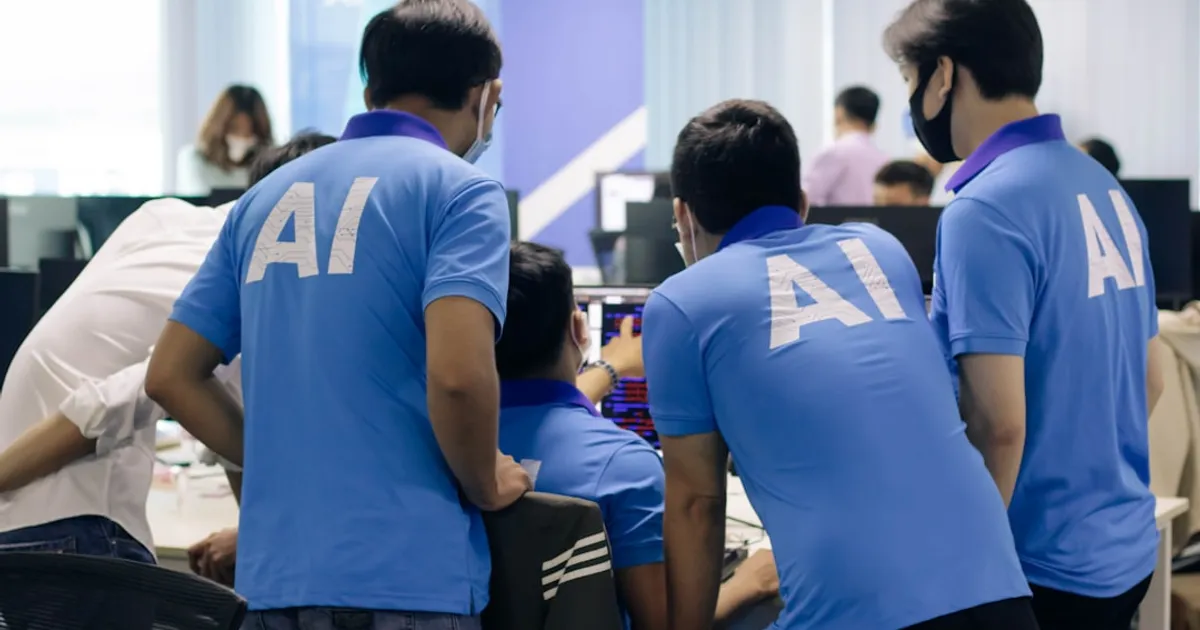
Justin Smestad argues that cutting junior engineer hires to save money backfires. Juniors are 'salary insurance' who grow into senior roles. Without them, companies depend on expensive seniors with real leverage. AI changes what junior work looks like but doesn't eliminate the need for a pipeline. Shopify is cited as a company investing in early-career hiring while betting on AI.

This news site's reporters are AI bots. OpenAI appears to fund it.
An investigation reveals AcutusWire.com, a digital news site launched in December 2025, operates almost entirely on AI-generated content. 69% of articles are fully AI-generated, and 'reporter' Michael Chen is actually an AI agent sending interview requests. The site appears connected to OpenAI's super PAC Leading The Future and Republican PR firm Novus Public Affairs, suggesting an astroturfing operation pushing specific political narratives.
Sam Altman Wants to Rethink Operating Systems. OpenAI Might Build One.
OpenAI CEO Sam Altman tweeted that operating systems and user interfaces need a fundamental rethink. The comment has sparked speculation about whether OpenAI plans to build its own AI-first operating system.

AI now costs more than the humans it replaces
Nvidia VP Bryan Catanzaro says compute costs for his team now sit 'far beyond' employee salaries. Uber's CTO already burned through his 2026 AI budget on token costs alone. Companies are spending millions to replace teams that cost less, and some are bailing on commercial APIs to self-host open-source models instead.
Altman Preaches Shared Prosperity, OpenAI Builds Walls
OpenAI published its first official principles this week, pitching democratized AGI and shared prosperity. The Hacker News community wasn't buying it. The gap between Altman's rhetoric and OpenAI's actual strategy, from custom silicon to the Stargate datacenter project, tells a different story.

Git-pinned cache cuts AI agent costs in half
An experiment shows that using a Git-based cache to pre-verify and pin facts about a codebase can reduce AI agent token costs by 51%. The approach uses Claude Haiku to scan repos and create claims pinned to Git blob OIDs, with Merkle root computation to automatically mark claims as stale when files change. Results: cost reduction from $4.35 to $2.13 per session, 16% faster wall time.
Google's DiLoCo Trains AI on Mixed Hardware, 20x Faster
Google DeepMind announces Decoupled DiLoCo, a new architecture for training large language models across globally distributed data centers. The approach splits training into decoupled 'islands' of compute with asynchronous data flow. It isolates hardware failures and needs far less bandwidth than traditional methods. Tested on Gemma 4 models, the system matched conventional training performance while running 20x faster and mixing different hardware generations (TPU v6e and TPU v5p).

Microsoft Ends Revenue Sharing With OpenAI
Microsoft is ending its revenue-sharing agreement with OpenAI, giving the startup more flexibility to compete with rivals like Anthropic. The move also helps Microsoft stay ahead of regulatory scrutiny in the US and Europe. Separately, GitHub is transitioning Copilot to usage-based billing, signaling the end of free AI coding assistance.

AI bots run this news site. OpenAI appears to be funding it
An investigation reveals that Acutus Wire, a digital news site, appears to be entirely operated by AI agents including a reporter bot named 'Michael Chen' that conducts written Q&A interviews via email with real people. The site uses AI to generate articles, run editorial reviews, and contact sources for comment. Evidence suggests possible connections to OpenAI's political activities through funding channels.
EvanFlow: TDD Feedback Loop for Claude Code
EvanFlow enforces a TDD loop for Claude Code with human approval at every stage. Ships with 16 skills, 2 subagents, and guardrails against common agentic coding failures.

Microsoft ends Azure exclusivity, lets OpenAI use any cloud
OpenAI can now serve products through any cloud provider, ending Microsoft's exclusive grip. The amended deal keeps Microsoft as primary cloud partner with Azure getting first access to new OpenAI products. Microsoft retains a non-exclusive IP license through 2032, stops paying revenue share to OpenAI, and remains a major shareholder. OpenAI continues revenue share payments to Microsoft through 2030 with a cap.

Moleskine's AI Lord of the Rings art can't even get the map right
Moleskine launched a Lord of the Rings notebook collection with AI-generated artwork and inconsistent disclosure, adding then removing AI disclaimers from their website. The collection contradicts Moleskine's brand positioning around human creativity, and the AI-generated promotional maps contain nonsensical location names like 'Der Rarmorth' and 'Narmimtz'.

Moleskine's AI Lord of the Rings Collection Mocks Its Own Legacy
Moleskine's new Lord of the Rings notebooks ship with AI-generated maps bearing fake place names and recycled product descriptions. The company that built its brand celebrating human artists is now quietly selling algorithmic art.
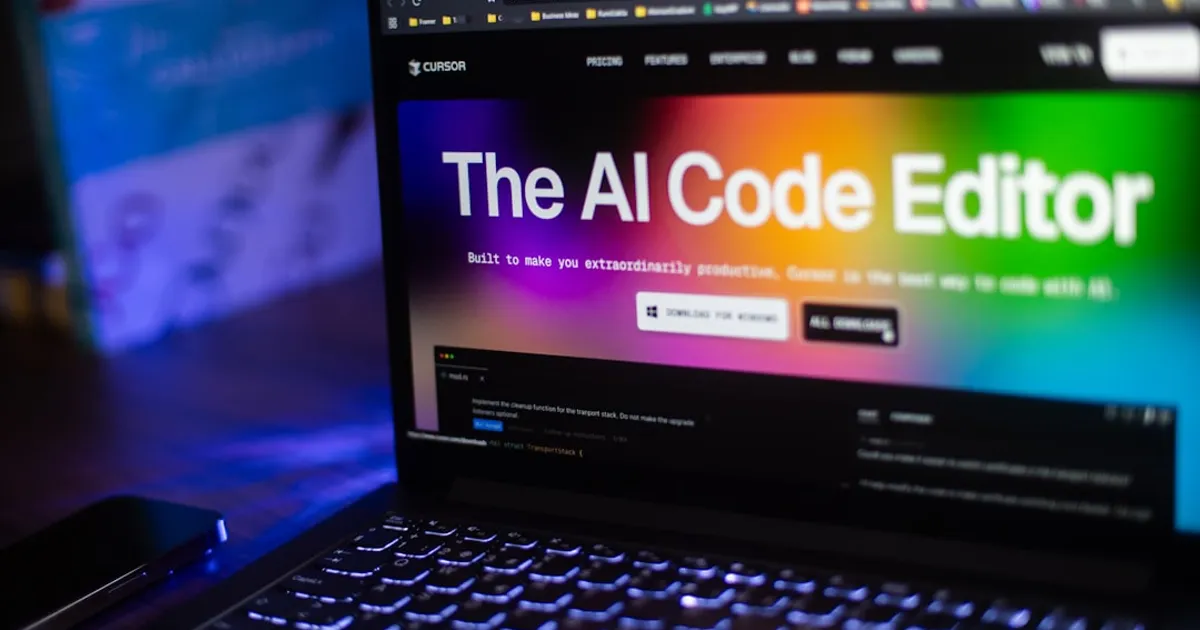
How to cut your Claude Code bill ~90% with Ollama routing
A GitHub tutorial with a 21-slide walkthrough shows how to route Claude Code through Ollama, using free models like Gemma and DeepSeek for grunt work while keeping strategic tasks on Claude Pro.
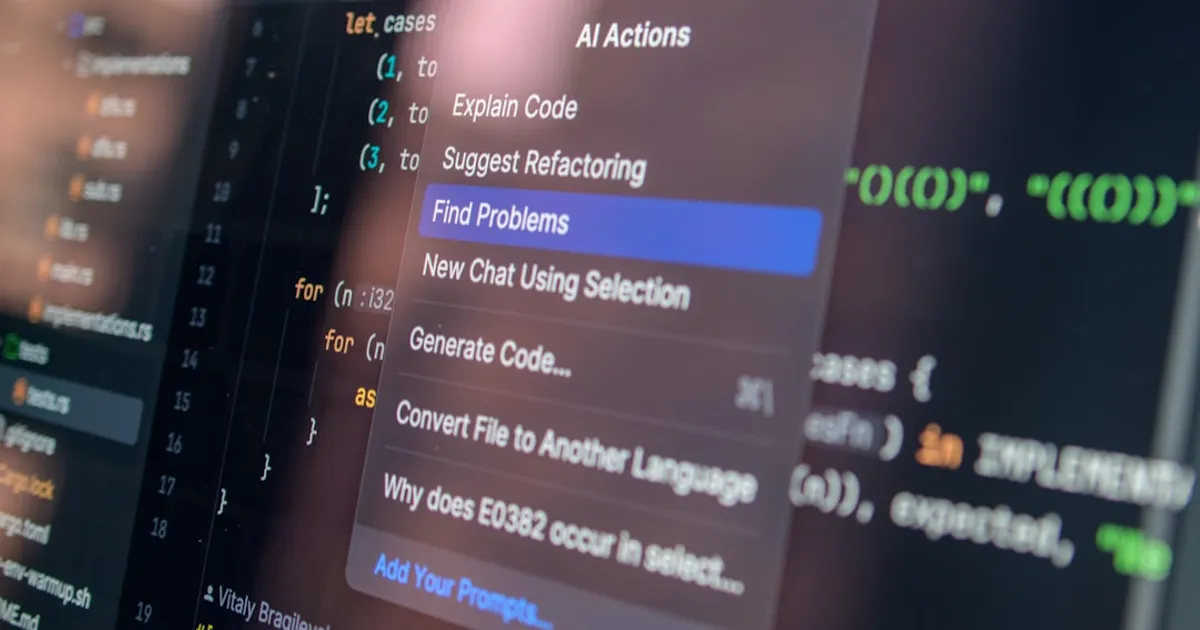
Routing Claude Code through Ollama: 90% savings, zero attribution
A GitHub repository and tutorial demonstrating a two-engine setup that routes Claude Code through Ollama to optimize costs. Strategic work remains on Claude Pro while heavy tasks (lints, refactors, batch ops) are offloaded to free open-source models like Gemma, Qwen, or DeepSeek. HN comments reveal this wraps the @musistudio/claude-code-router npm package without proper attribution.
Google's DiLoCo Trains LLMs on Mismatched Hardware Across Continents
Google DeepMind's Decoupled DiLoCo splits LLM training across separate compute 'islands' that talk asynchronously, matching conventional quality while running 20x faster than traditional sync methods. The system keeps training when hardware fails and lets you mix older and newer GPUs in the same run.