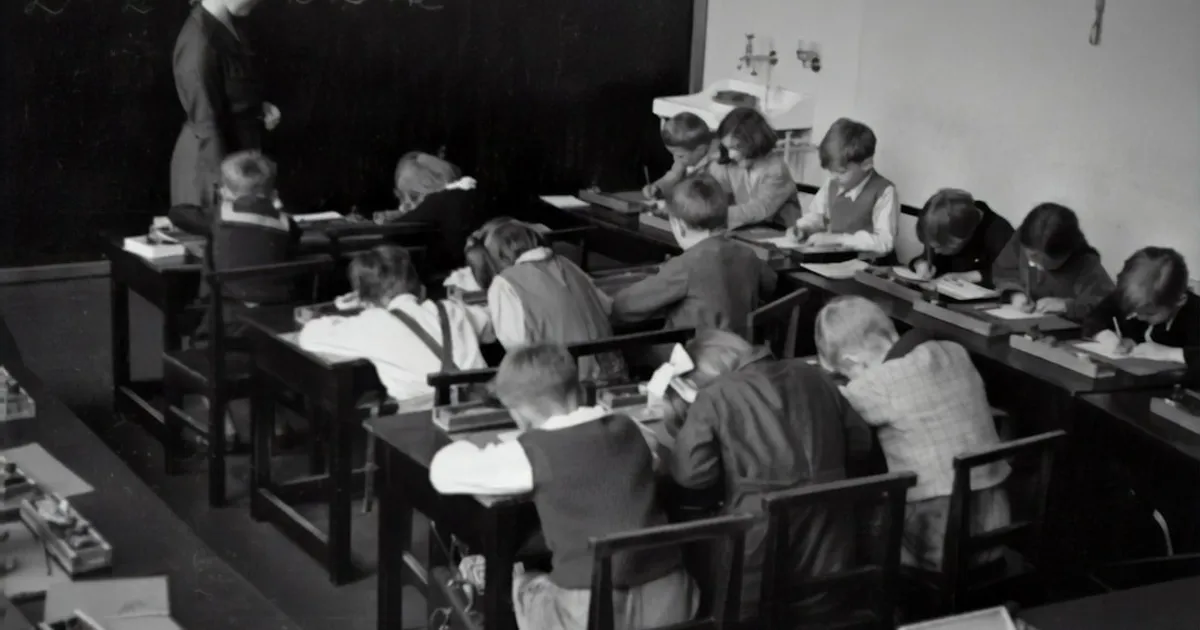
Grit Matthias Phelps has had enough of reading AI-generated German assignments. The Cornell University language instructor now brings out manual typewriters once each semester, requiring students to write without screens, spellcheck, or delete keys. She found the machines at thrift shops and online marketplaces starting in spring 2023, after growing frustrated with grammatically perfect work that clearly wasn't student-produced.
"What's the point of me reading it if it's already correct anyway, and you didn't write it yourself?" Phelps told the Associated Press. The classroom takes on a retro feel, with students pecking at keys while bells ding at the end of each line. Some students, like 19-year-old freshman Catherine Mong, had never used a typewriter and found the mechanics confusing. Others appreciated the forced slowdown. Computer science major Ratchaphon Lertdamrongwong said the experience changed how he interacted with the world around him.
Phelps isn't alone in going analog. Educators nationwide are returning to pen-and-paper exams and oral assessments to verify actual learning. But the workarounds are obvious. Students can generate text with AI and simply transcribe it. The Hacker News community dubbed this "Typing as a Service."
The real failure here is who gets cut out. Manual typewriters don't work with screen readers or speech-to-text software. That's a compliance problem under the Americans with Disabilities Act and Section 504 of the Rehabilitation Act. Students with visual impairments, motor disabilities, or conditions affecting hand strength can't participate. Phelps is right that students learn by struggling with language. But this method decides who's allowed to struggle and who isn't, and that decision falls hardest on students who already face barriers.