News
The latest from the AI agent ecosystem, updated multiple times daily.
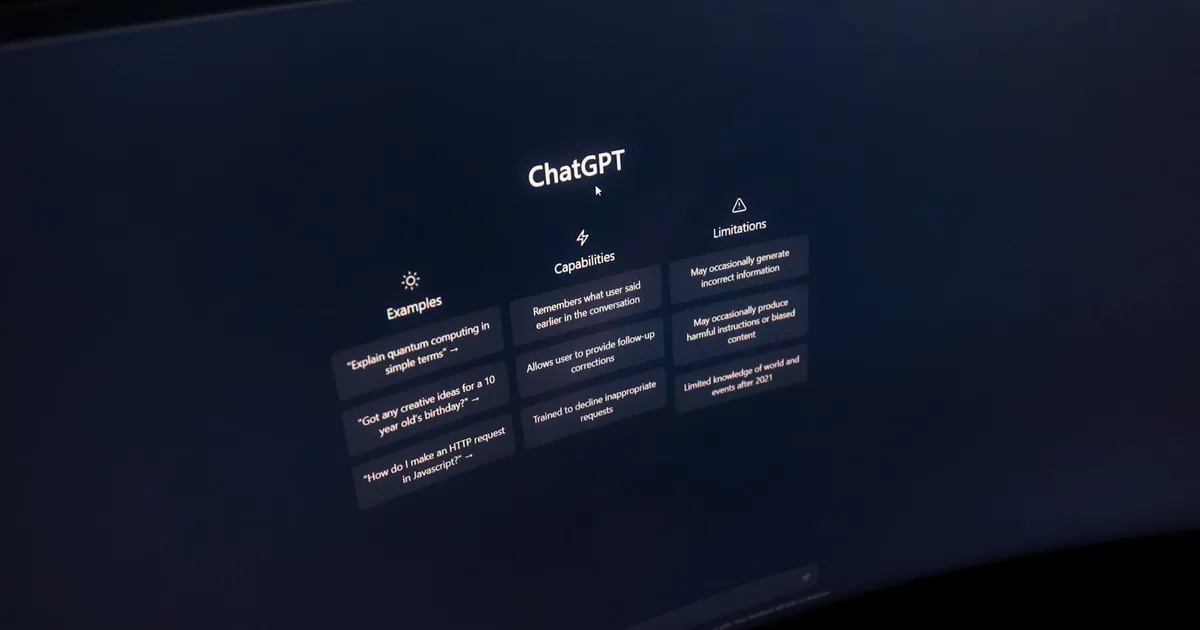
Ubuntu's 2026 AI Play: Local Inference, Agents, and Snap Flashbacks
Canonical is baking AI into Ubuntu throughout 2026, starting with local inference by default and out-of-the-box NPU driver support. Agentic workflows and context-aware OS features are on the roadmap, but Canonical hasn't defined what those actually look like in practice.

Utah greenlights 9GW AI campus using over twice state electricity
Utah's Military Installation Development Authority approved O'Leary Digital's 'Stratos' project, a 9 GW off-grid data center campus powered by natural gas that would consume more than double Utah's current electricity usage. The project aims to attract hyperscale cloud operators with significant tax incentives, though no tenants have been publicly named yet. O'Leary Digital has no track record building data centers.
Zitron lost his AI bubble argument, so he's calling everyone frauds
Ed Zitron went from calling AI a bubble to accusing OpenAI and Anthropic of fraud. Kelsey Piper explains why that shift reveals more about his argument than his targets.
Ubuntu's 'AI Kill Switch' Is Achieved by Removing Snaps, Initially Opt-In
Canonical's VP of Engineering Jon Seager clarified plans to integrate AI features into Ubuntu Linux starting with version 26.10. AI features will be delivered via Snap packages, making them removable by uninstalling Snaps. Features will initially be opt-in, use local inference with local models, and won't be cloud-based. Potential features include text-to-speech and camera focus. Canonical also confirmed they will ship code co-authored by AI.
OpenAI Misses Revenue, User Targets Ahead of IPO
WSJ reports that OpenAI has missed key revenue and user targets as it moves toward an IPO. HN commenters discuss the evolution of AI usage from chatbots to thinking models to agents, noting that agentic swarms are currently too expensive and models struggle with effective subagent deployment and task planning.
Ed Zitron has lost the plot
Kelsey Piper argues that Ed Zitron's AI bubble claims have shifted from reasonable economic skepticism to unfounded fraud allegations against OpenAI and Anthropic, despite growing enterprise adoption, falling costs, and rising revenue.
MI300X Benchmarks Expose AMD's Software Problem
SemiAnalysis published a detailed benchmarking study comparing AMD's MI300X against Nvidia's H100/H200 for AI training over five months. Despite MI300X's superior on-paper specs (higher FLOP/s, more memory bandwidth), real-world performance falls short due to immature software, bugs, and poor out-of-box experience. The CUDA moat remains strong as Nvidia's integrated ecosystem (NCCL, InfiniBand, mature libraries) outperforms AMD's fragmented ROCm stack. AMD's TCO advantage is negated by lower training performance per dollar. The report recommends AMD invest heavily in software QA, expand internal testing, and work closely with Meta/PyTorch community.
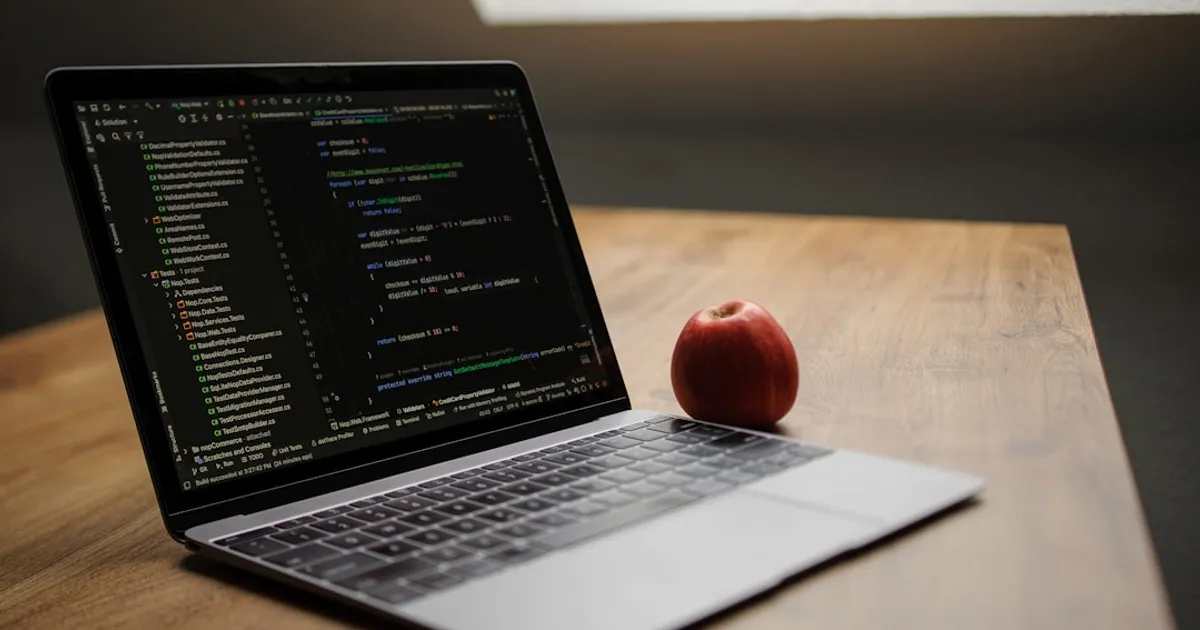
AgentSwift builds iOS apps with Claude, skips Xcode entirely
AgentSwift is a native macOS app that runs an AI coding agent built specifically for Apple platform development. It uses Claude to discover Xcode projects, implement changes, build, run, and validate apps without opening Xcode through a multi-step workflow.

AMD's Lemonade SDK 10.3 Dumps Electron, Shrinks 10x
AMD released Lemonade SDK 10.3, switching from Electron to Tauri and cutting binary size from ~100MB to ~10MB. The update adds OmniRouter for routing multi-modal AI requests through a single API endpoint, supports switching between ROCm versions (7.2 stable, 7.12 preview, TheRock nightly), and defaults to ROCm 7.12 preview. Lemonade provides local chat, vision, image generation, transcription, and speech through standard APIs.
49Agents swaps terminal tabs for infinite canvas AI workspace
Managing AI agents across multiple machines is chaos. 49Agents is an open-source IDE that replaces scattered terminals with an infinite canvas, letting you spatially arrange agent sessions, editors, and terminals with zero-SSH connectivity, real tmux sessions, and cross-device support.

Cua Driver lets AI agents run any Mac app without stealing your cursor
Cua Driver lets AI agents click, type, and scroll through any macOS app in the background. You keep your cursor and focus. It even handles apps that normally resist automation, like Figma and game engines.

Copilot's Pricing Pivot Exposes AI's Subscription Problem
GitHub Copilot is ditching flat-rate pricing. Microsoft was losing $80/month on power users paying $10. The subscription model worked when AI just answered questions. Now agents burn tokens in open-ended loops, and the math falls apart.

Lenovo-Phoenix Deal Leaves BIOS Market with Just Two Vendors
Lenovo completed its acquisition of Phoenix Technologies' firmware (BIOS) business, including intellectual property and the Dublin-based team. Financial terms weren't disclosed. The deal turns a 20-year vendor relationship into an internal capability, giving Lenovo direct control over firmware development for its PCs and AI-enabled devices.
Poolside open-sources Laguna XS.2, takes on Qwen in small agent models
Poolside AI releases Laguna XS.2, its first open-weight model under Apache 2.0, alongside the larger Laguna M.1. Both are Mixture-of-Experts coding models built for agentic tasks. XS.2 (33B total, 3B active) hits 44.5% on SWE-bench Pro, trailing Qwen3.6's 49.5% despite similar size. The release includes their Agent Client Protocol server and details training on 30T tokens with the Muon optimizer.

Why 'AI Vegetarianism' Is Catching On
Sean Boots proposes 'generative AI vegetarianism' - opting out of ChatGPT, Copilot, Claude, and Gemini over ethical concerns including bias, skill atrophy, creative job losses, environmental costs, and vendor lock-in.

OpenAI Revenue Miss Triggers AI Infrastructure Selloff
OpenAI reportedly missed internal revenue and user growth projections, sending AI infrastructure stocks down 3-5%. The bigger story is the take-or-pay GPU contracts underneath. OpenAI locked in massive compute deals with providers like Oracle and CoreWeave, who then used those contracts as collateral to borrow billions. Growth slows, and that debt exposure ripples downstream.
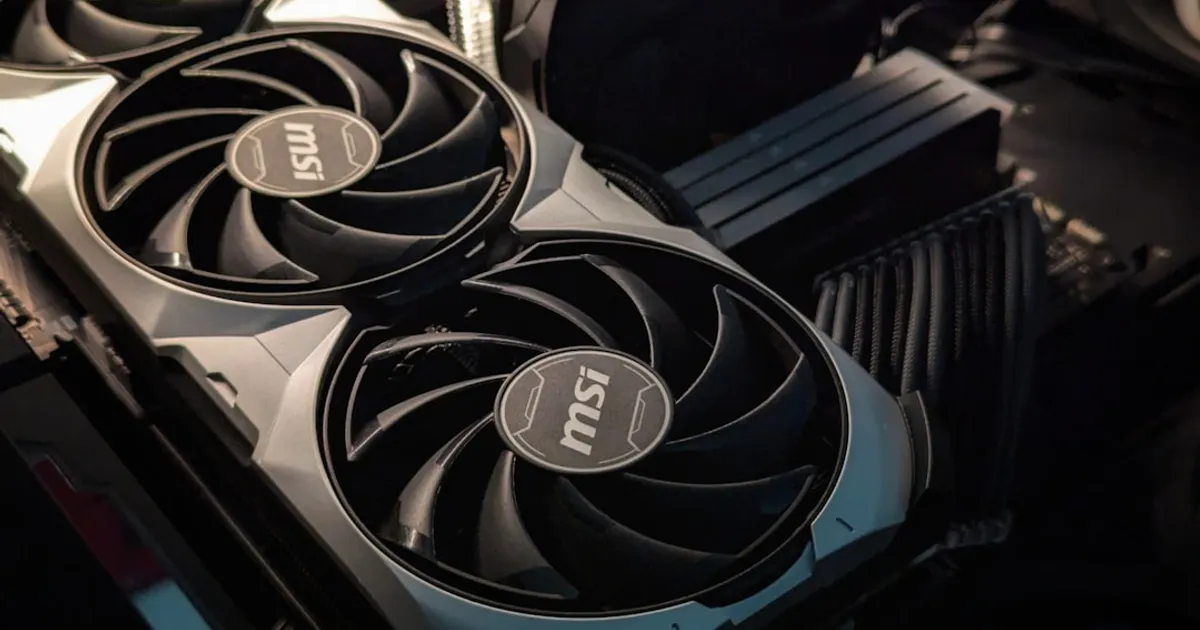
Intel's Arc Pro B70: 32GB VRAM, $950, Built to Break CUDA's Hold
A hardware review of Intel's Arc Pro B70 professional GPU, featuring 32GB of VRAM and designed for AI workloads. The B70 offers twice the Xe cores and VRAM of the B50, undercutting AMD's Radeon AI PRO R9700 by about 30%. Benchmarks cover professional applications and MLPerf AI tests against AMD and NVIDIA competitors. HN commenters note concerns about driver quality, power efficiency, and availability.

Anthropic passes OpenAI at $1T and it's a feeding frenzy
Anthropic has reached a $1 trillion valuation on secondary markets, surpassing OpenAI's $880 billion. The surge is driven by revenue growth from Claude Code adoption and partnerships with Amazon and Palantir, with annualized run rate jumping from $9B to $39B. But scarce shares and prestige-chasing investors have turned ownership into a status symbol.

Ed Zitron's AI Bubble Case Crumbles Under Evidence
Kelsey Piper takes aim at tech critic Ed Zitron's evolving case against AI, arguing his shift from reasonable economic skepticism in 2024 to fraud allegations in 2026 reveals a thesis that can't survive contact with reality. The piece is direct and opinionated, pointing to plunging costs and rising adoption as evidence the bubble narrative needs rethinking.
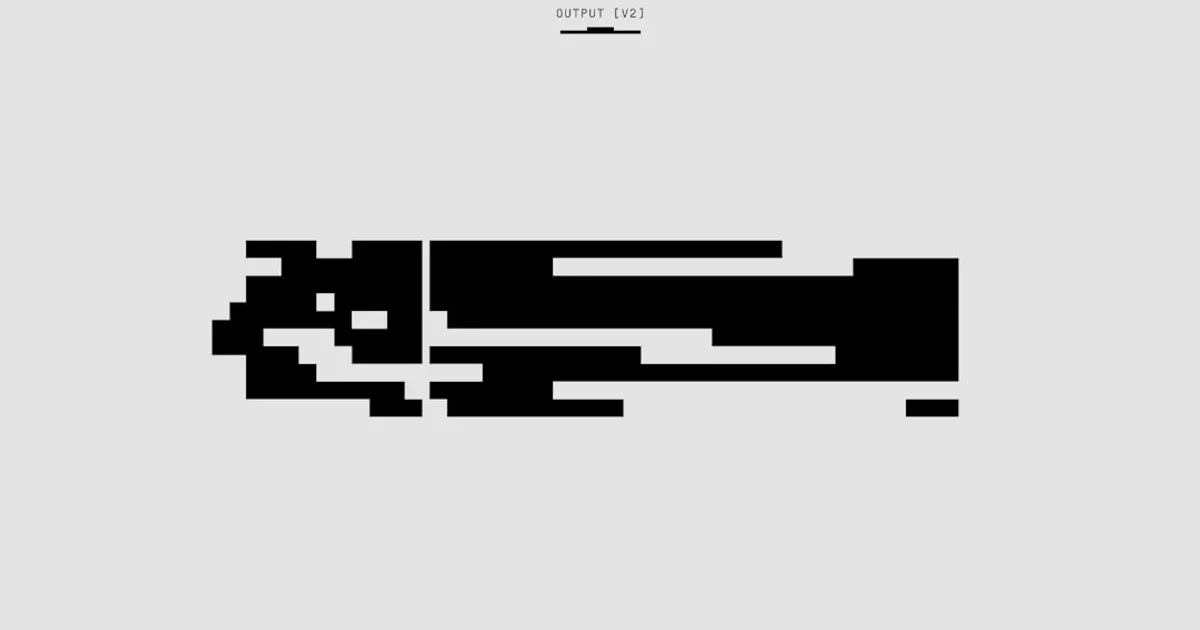
Waiting for LLMs Sucks: Give Your Users Arcade Games
react-waiting-game is a React component library that drops 5 mini-arcade games into loading states for LLM calls, builds, and uploads. Features zero runtime dependencies, SSR-safe implementation, 1-bit pixel art, localStorage high scores, achievements, combo multipliers, and customizable skins.
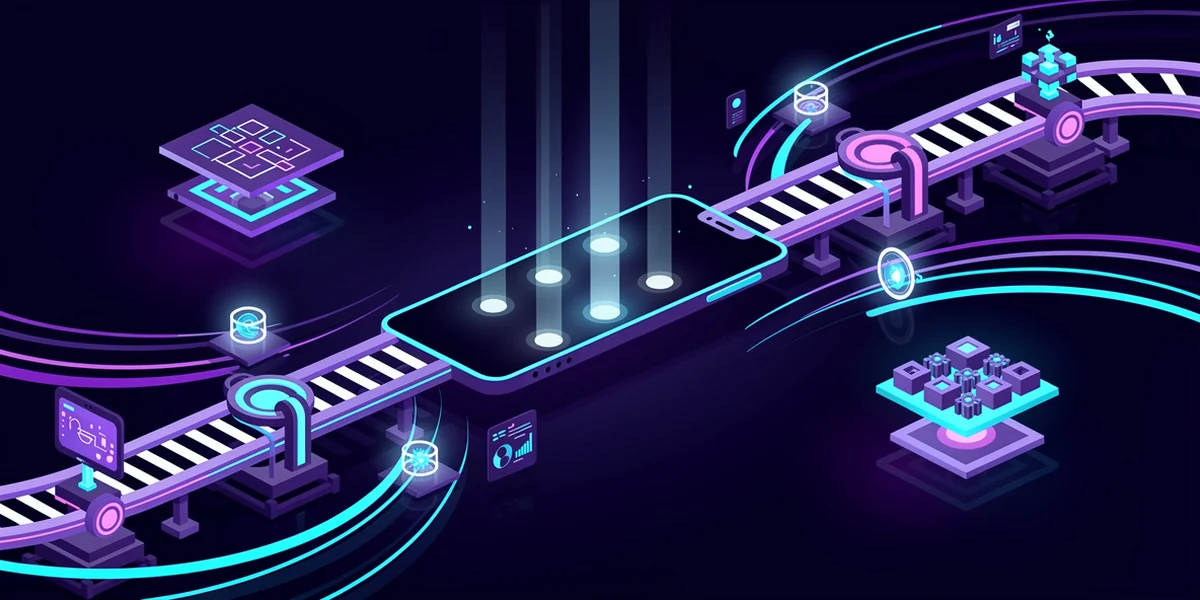
OpenAI's Phone Pivot: Luxshare to Build, 2028 Target
Supply chain analyst Ming-Chi Kuo reports that OpenAI is developing a smartphone with MediaTek and Qualcomm as chip partners and Luxshare Precision Industry as the exclusive manufacturer, targeting mass production in 2028. Kuo argues smartphones are uniquely positioned for AI agent use due to their ability to capture user's full real-time context. The move reverses OpenAI's previous hardware strategy focused on non-phone form factors developed with Jony Ive.

1978 Terminal Meets 2026 Coding Agent: It Gets Weird
Nikhil Jha spent weeks building a terminal-based coding agent, then tested it on a 1978 DEC VT-100 because why not? What followed was a messy, entertaining descent into flow control hell at 9600 baud, ASCII-only workarounds, and the discovery that an enterprise customer actually wanted those janky legacy fixes as a real feature.

AlphaZero Creator Raises $1.1B for AI That Learns Without Us
David Silver, the DeepMind researcher behind AlphaZero, raised $1.1 billion at a $5.1 billion valuation for his new AI lab Ineffable Intelligence. The company aims to build a 'superlearner' AI that discovers knowledge through trial and error alone, skipping human training data entirely.
DeepSeek vs. $1 Trillion: When Open Models Break AI Moats
An essay analyzing how open-weight models (DeepSeek, Qwen, GLM, Kimi) are commoditizing AI capabilities that U.S. frontier labs expected would provide monopoly-grade returns. Warman argues that when technology fails to create scarcity, capital turns to regulatory enclosure, vertical integration, and bundled distribution to manufacture it. He predicts regulatory restrictions on Chinese open weights, frontier labs becoming operators selling outcomes rather than models, and a split market where U.S. users pay closed-lab pricing while the rest of the world routes around U.S. restrictions.

SGI Indy Emulator 'Vibed Into Existence' via AI Collaboration
IRIS (Irresponsible Rust IRIX Simulator) boots IRIX 6.5 and 5.3 with networking, X11 graphics, and Cranelift-based JIT compilers for MIPS and REX3. Claude wrote most of it, Gemini helped, and the author describes the whole project as 'vibed into existence' through AI collaboration.
Anthropic's safety definition is too narrow
Argues Anthropic's narrow focus on model safety ignores broader trust issues like product reliability and pricing. Examines Claude Code's recent quality degradation, a controversial pricing experiment, and the contrast with Anthropic's careful handling of the Mythos model.
GitHub Copilot Code Reviews Now Bill You Twice
Starting June 1, 2026, GitHub Copilot's agent-powered code review feature will begin consuming GitHub Actions minutes in addition to AI Credits for private repositories. The code review runs on GitHub Actions using GitHub-hosted runners as part of its agentic tool-calling architecture, allowing it to pull in broader repository context for more relevant feedback.

A good AGENTS.md is a model upgrade. A bad one is worse than nothing
Augment Code ran a systematic study using their AuggieBench eval suite to measure how AGENTS.md files affect AI coding agent performance. Best-performing files provided quality gains equivalent to upgrading from Claude Haiku to Opus, while poorly structured ones degraded performance below baseline. Effective patterns include progressive disclosure, procedural workflows, decision tables, real code examples, and pairing prohibitions with alternatives. Common failures include overexploration from excessive architecture overviews or warnings, and outdated patterns that mislead agents on new approaches. AGENTS.md files showed 100% discovery rates compared to 80% for directory READMEs.
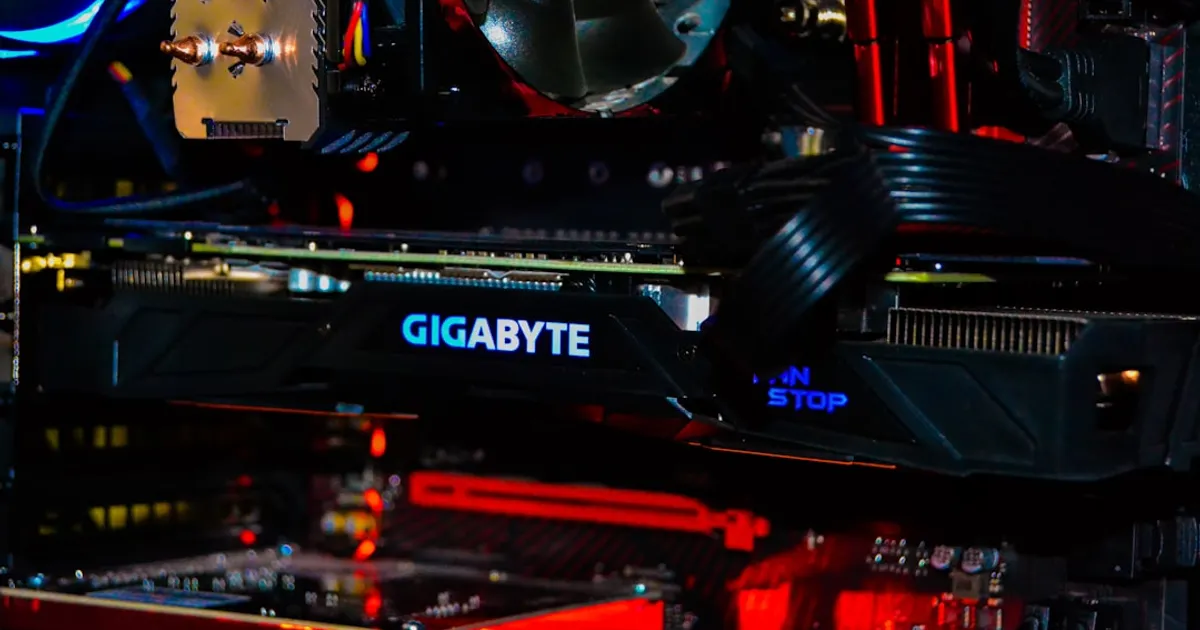
SemiAnalysis: MI300X Beats H100 on Paper, Fails in Practice
Five months of benchmarks show AMD's MI300X can't match Nvidia's H100 or H200 in real AI training, despite better specs and lower theoretical costs. The culprit is AMD's software. Out-of-the-box training is 'impossible' according to SemiAnalysis. Nvidia's CUDA moat keeps growing while ROCm struggles with bugs and quality issues. Microsoft Azure proved the hardware works by building custom drivers and tools, gaining up to 3.5x performance, but regular developers don't have that option.
A good AGENTS.md is a model upgrade. Bad ones are worse than nothing
This article presents a systematic study on how AGENTS.md files affect coding agent performance. The research found that well-structured AGENTS.md files can boost results equivalent to upgrading from Haiku to Opus, while poorly structured ones can degrade performance. Successful patterns include progressive disclosure, procedural workflows, decision tables, and real code examples, while failure modes include overexploration and excessive warnings.
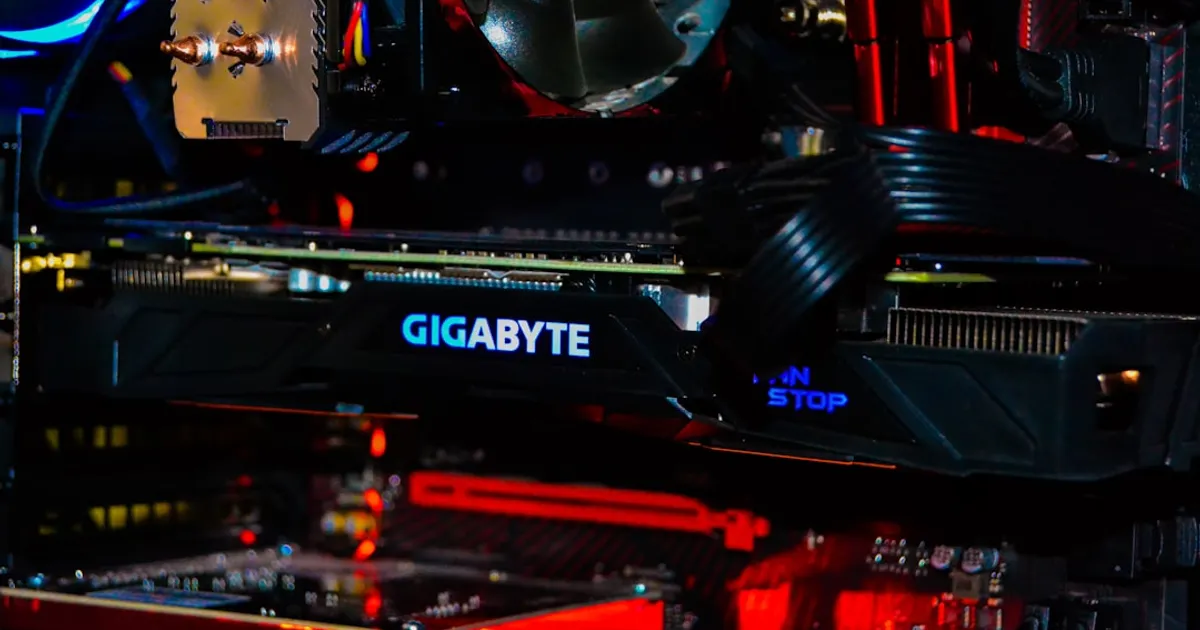
MI300X Beats H100 on Paper, Loses Where It Counts
A five-month benchmarking study by SemiAnalysis found AMD's MI300X delivers worse performance per dollar than Nvidia's H100/H200 for AI training, despite superior specs. The researchers shared code with AMD and worked with their engineers to fix bugs, but training on public stable releases remains 'impossible.' Custom builds from AMD's principal engineers were needed just to get reasonable numbers.

AI agents can finally work your Mac without stealing your cursor
Cua's open-source driver lets AI agents control macOS apps in the background without hijacking your cursor. The project is part of a broader platform that includes cross-platform sandbox SDKs, shared desktop tools, agent benchmarking, and Apple Silicon virtualization.
India Sells H100 Hours at 78 Cents
India's IndiaAI Mission subsidizes H100 GPU hours to $0.78, or free for foundational model builders. The $500 million compute subsidy distorts how we read Indian AI startup economics, creates perverse incentives around GPU utilization, and backstops data center expansion for the country's largest conglomerates. AWS walked away from the tender rather than establish a sub-$2 reference price.

Spotify Won't Add an AI Filter. Follow the Money.
Spotify has no plans to filter AI-generated music despite user frustration. A Leipzig developer built his own blocker covering 4,700+ suspected AI artists. Competitor Deezer already detects and tags AI tracks. Spotify cites the complexity of labeling music on a spectrum, but the royalty-diluting economics of AI content farms may explain the real hesitation.

$1.1B superlearner startup bets AI can learn without humans
Ineffable Intelligence, founded by former DeepMind researcher David Silver, raised $1.1 billion at a $5.1 billion valuation. The company aims to build a 'superlearner' that discovers knowledge through self-play, without human training data. Silver previously led reinforcement learning at DeepMind and built AlphaZero. Sequoia Capital and Lightspeed Venture Partners led the round, with participation from Index Ventures, Google, Nvidia, British Business Bank, and Sovereign AI.
$200K/Month for 90% Uptime: Anthropic's Reliability Crisis
Anthropic suffered a 78-minute outage affecting Claude.ai, Claude API, Claude Code, Claude Cowork, Claude Console, and Claude for Government services on April 28, 2026 (17:34–18:52 UTC). Authentication errors blocked logins and API requests. HN comments reveal a pattern of reliability issues, with one enterprise user reporting only 'one 9 of uptime' over the past 90 days despite spending $200,000/month.

OpenAI Ends Azure Exclusivity, Heads to AWS Bedrock
Interview with OpenAI CEO Sam Altman and AWS CEO Matt Garman about bringing OpenAI models to Amazon Bedrock Managed Agents. The amended Microsoft-OpenAI agreement ends Azure exclusivity. Topics include the Bedrock offering, AgentCore comparisons, and broader cloud strategy.
What Claude Shannon Knew in 1950 That We're Pretending Is New
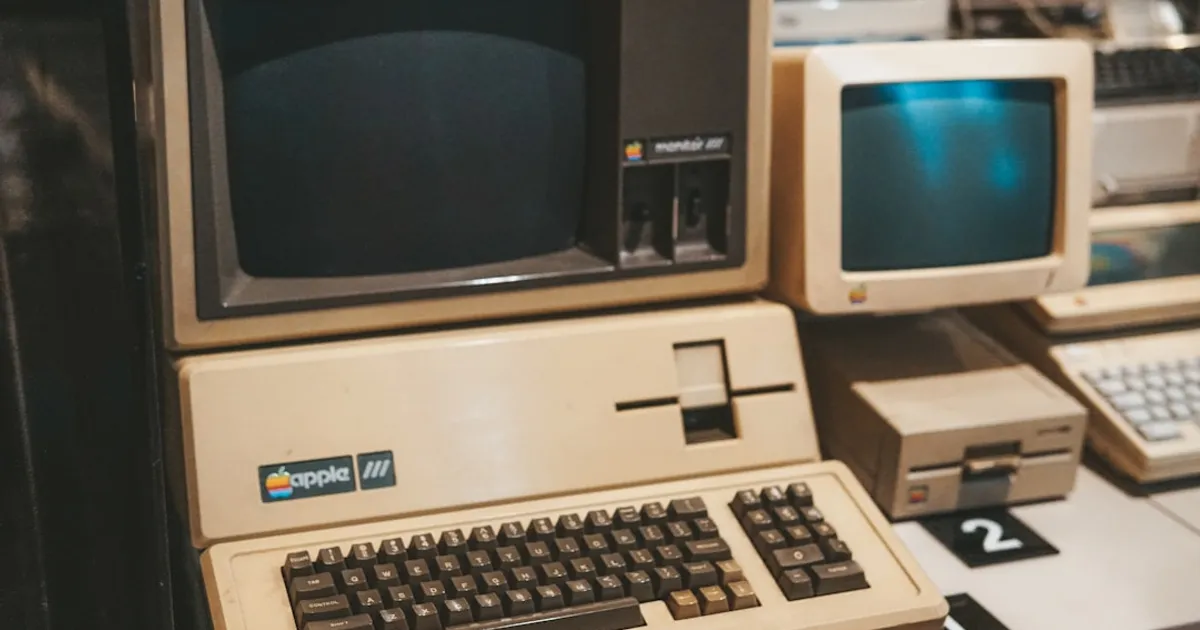
Scott Abel connects Claude Shannon's 1950 chess paper to today's AI reliability crisis. The core problem is old: machines have always approximated under constraints. Abel argues reliable AI depends on signal quality, meaning structured content, metadata, and taxonomy. Technical writers provide the explicit context that prevents hallucinations.

OpenAI Breaks Azure Exclusivity, GPT Hits AWS Bedrock
An interview with Sam Altman (OpenAI CEO) and Matt Garman (AWS CEO) discussing the partnership to bring OpenAI models to Amazon Bedrock and launch 'Bedrock Managed Agents'. The conversation covers the amendment to Microsoft-OpenAI's exclusive agreement, comparisons between cloud computing and AI adoption paradigms, and how this strategic partnership affects the competitive landscape against Anthropic and Google.

Gas-Powered AI Data Centers Could Out-Emit Entire Nations
A WIRED review of air permits for 11 natural gas-powered data center projects tied to OpenAI, Meta, Microsoft, and xAI reveals potential emissions topping 129 million tons of greenhouse gases per year. The permits expose a rush toward behind-the-meter power generation, where data centers skip the grid and build their own gas plants to fuel AI infrastructure directly.
Cursor Camp Isn't the AI Editor You're Looking For
A new Neal.fun project called Cursor Camp landed on Hacker News, briefly confusing AI developers who assumed it was related to Anysphere's popular Cursor code editor. The site couldn't be loaded, but Neal.fun's history of casual browser experiments suggests it's about mouse cursors, not LLMs.

Anthropic's Stale Docs Made Pro Users Think Opus Was Paywalled
A Claude Help Center article explaining model configuration for Claude Code stated that Opus models require extra usage purchases on Pro plans. An HN commenter from Anthropic corrected the outdated article, clarifying Opus was rolled out to Pro plans in January. Other commenters noted Opus's high resource consumption made it impractical on lower-tier plans.

AgentSwift runs Claude to build iOS apps without opening Xcode
AgentSwift is a native macOS app that runs an autonomous AI coding agent for Apple platform development. It uses Claude to discover projects, implement changes, build, run, and validate iOS/macOS applications without requiring direct interaction with Xcode.
Anthropic Auth Failure Takes Down All Claude Products for 78 Minutes
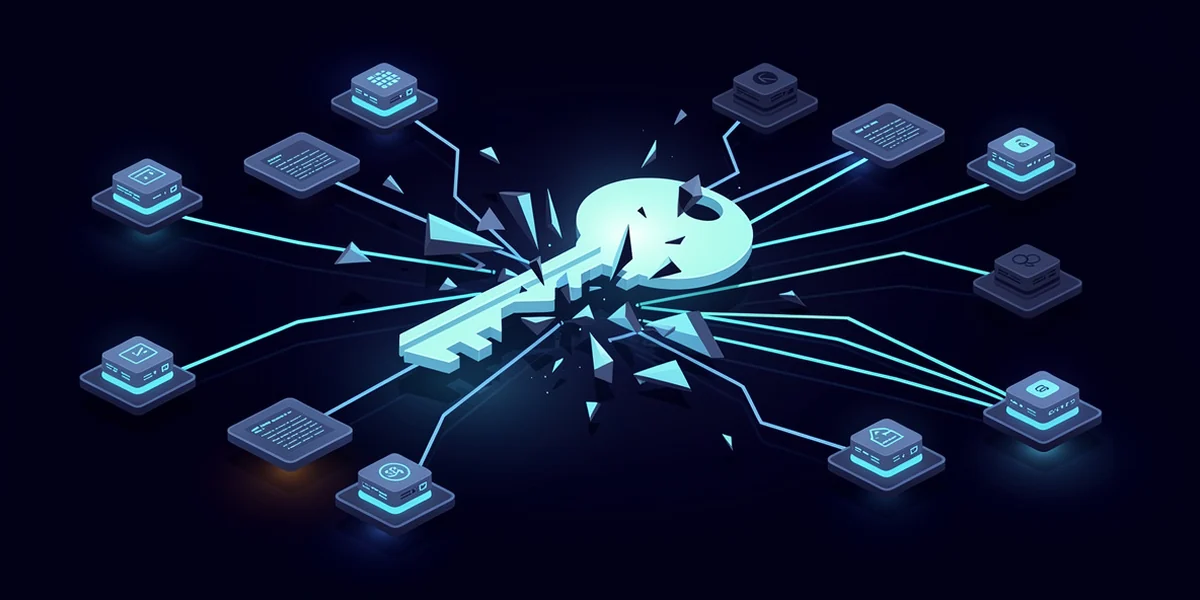
Anthropic experienced a 78-minute outage on April 28 affecting Claude.ai, Claude API, Console, Code, Cowork, and Government products. An authentication system failure blocked both human users and programmatic access from 17:34 to 18:52 UTC. Enterprise users have voiced frustration about reliability, citing multiple recent outages despite premium pricing.
Utah greenlights 9GW AI campus using over twice state electricity
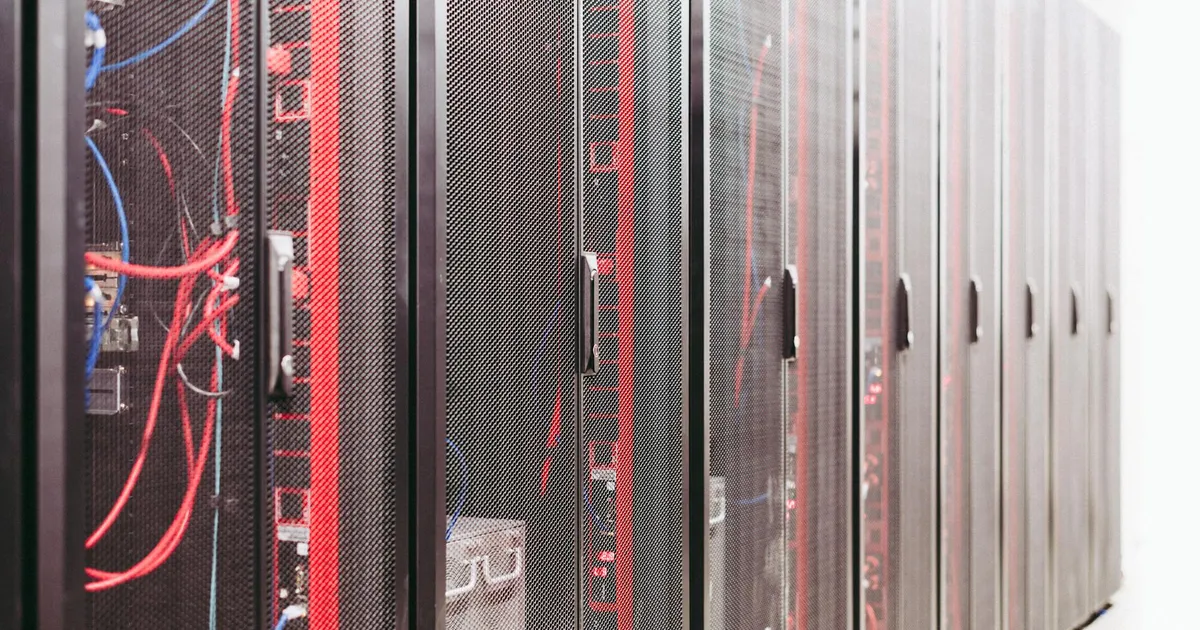
Kevin O'Leary's O'Leary Digital received approval from Utah's Military Installation Development Authority (MIDA) to build 'Stratos,' a 9 GW hyperscale data center campus in Box Elder County. The off-grid facility, powered by natural gas from the Ruby Pipeline, will consume more than double the state's average electricity use. Phase 1 targets 3 GW capacity. The project received significant tax incentives including energy use tax reduced from 6% to 0.5% and 80% property tax rebates. No hyperscale tenants have been announced yet, though Amazon, Microsoft, Google, Meta, and Apple are noted as potential operators. O'Leary Digital has never built a data center, and industry watchers question whether the project can deliver on its ambitious targets.
Anthropic's safety problem isn't what it thinks
An opinion piece arguing Anthropic's safety focus is too narrow. While the company carefully restricts models like Mythos over cybersecurity concerns, product reliability, pricing stability, and clear communication get less attention. Trust erosion from product failures is a safety issue too.
Anthropic's Mythos SWE-bench Proof Has a Fatal Flaw
Matt Dupree found a fatal flaw in Anthropic's argument that Mythos's SWE-bench gains are genuine. A Python simulation shows how a cheating model could produce the same results under an imperfect memorization detector. Without quantifying the detector's error rate, Anthropic's evidence doesn't hold up.

Spotify's AI Music Strategy: See No Evil
Spotify has no feature to filter AI-generated music and isn't building one. A frustrated developer created a third-party blocker. Competitor Deezer already tags and excludes AI tracks. The detection challenge grows as AI tools improve, while the industry argues over where to draw the line.

Cybersec: more work, same pay, zero thanks
71% of cybersecurity professionals globally saw no salary increase in 2025. AI is expanding the threat surface and increasing the volume, speed, and complexity of attacks security teams must handle. Despite rising threats and high demand, security professionals rank in the bottom three for workplace satisfaction due to boardroom complacency and limited recognition.

AgentSwift gives Claude the keys to your Xcode projects
AgentSwift is a native macOS app that runs an autonomous AI coding agent for Apple platform development. It uses Claude to discover Xcode projects, implement changes, build, run, and validate iOS applications without user intervention.