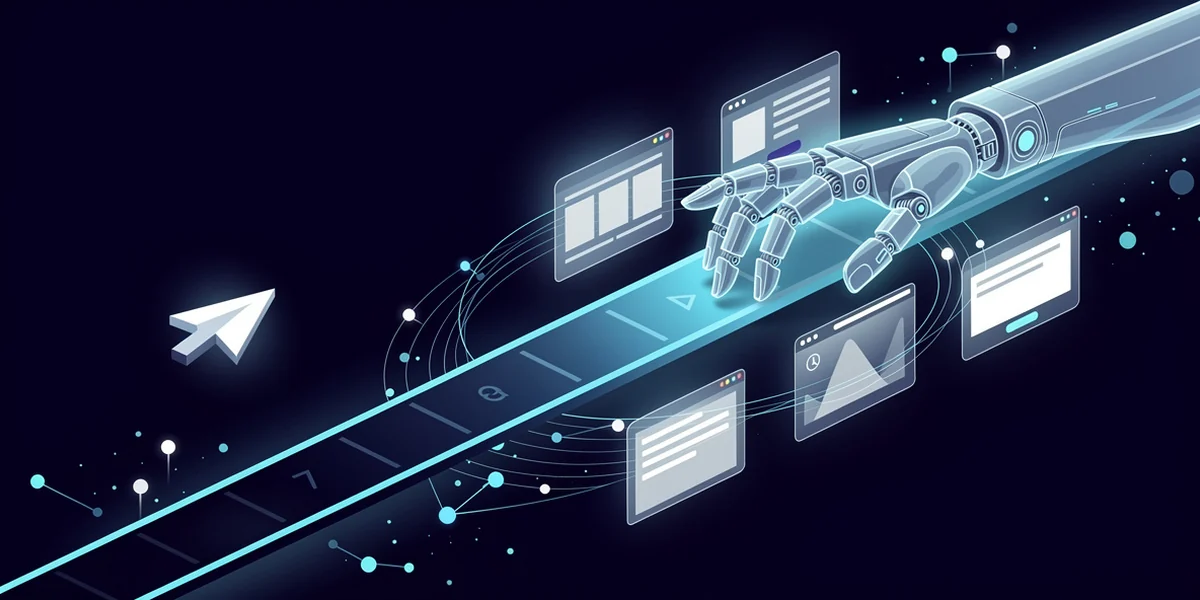
Trycua just shipped something that shouldn't work on macOS. Cua Driver lets AI agents control any native app without stealing your cursor or focus. You keep working. The agent clicks, types, and scrolls through its own apps behind the scenes. It even handles surfaces that normally resist automation, like Chromium web content, Figma, Blender, and game engines.
The trick is bypassing Apple's Accessibility API entirely. Tools like AppleScript need the accessibility hierarchy, which requires focus and can't deal with non-standard UI elements. Cua injects synthetic events at a lower system level, probably through CGEvent APIs, targeting specific coordinates without visible cursor movement. This means agents can finally interact with canvas-based tools that don't expose standard accessibility metadata.
Cua Driver is one piece of a bigger bet. Trycua is building infrastructure for computer-use agents across the board: sandboxes running Linux, macOS, Windows, and Android via cloud API or local QEMU. CuaBot pairs coding agents like Claude Code with sandboxed environments that stream at H.265 and share a clipboard. And they built Lume for macOS virtualization on Apple Silicon.
The Hacker News response was enthusiastic. User kjx called it "one of the coolest hacks I've seen in a while." But the more interesting debate was about where this goes next. Apple's restrictions make background automation genuinely hard. Linux and Android don't have that problem. If agent-driven computing takes off, Apple's walled garden becomes a real liability. The company needs to open up, or developers will drift toward platforms where they don't have to fight the OS just to click a button.