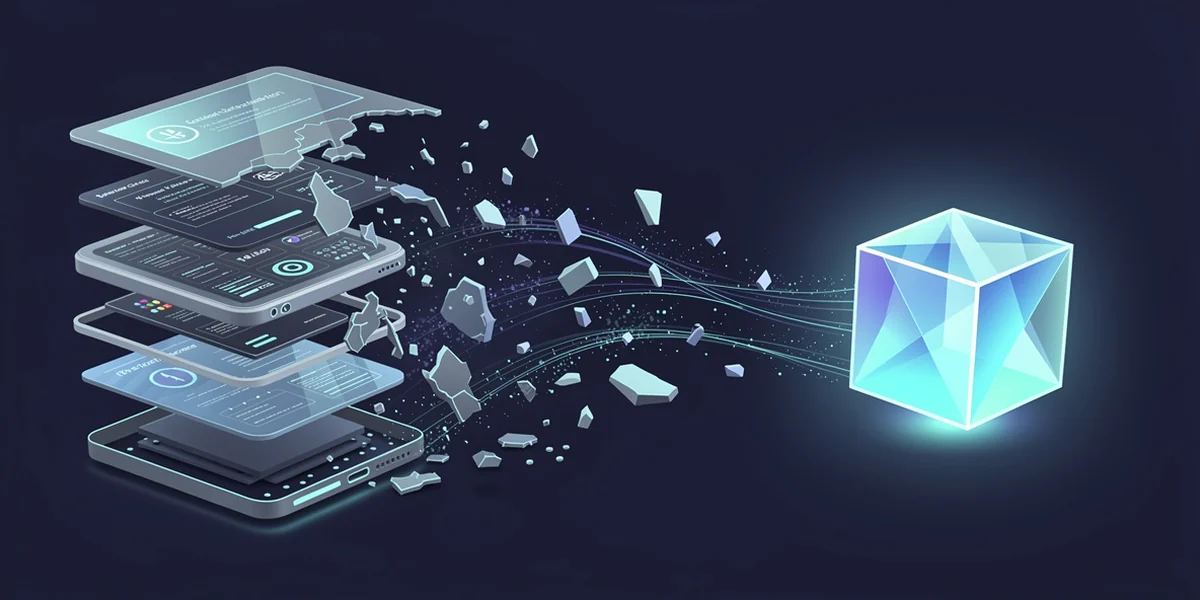
AMD shipped Lemonade SDK 10.3, and Electron is finally gone. They swapped it for Tauri, the Rust framework that uses your operating system's built-in webview instead of shipping an entire Chromium browser. Pre-built binaries went from 101 to 107 MB down to 7 to 9 MB. That's a 10x reduction. If you've ever hesitated to download a tool because it was basically a web browser pretending to be an app, you know why this matters. Michael Larabel at Phoronix reported the details.
The switch to Tauri also opens doors for extension developers. Tauri's plugin system is lighter than Electron's, and since it talks directly to native APIs, add-ons can be smaller and faster too. We'll see if the ecosystem follows, but the foundation is better.
The other big addition is OmniRouter. Instead of picking which backend handles your request, OmniRouter figures it out. Text generation goes to Llama.cpp, vision tasks go to specialized engines, audio gets routed accordingly. One API endpoint for chat, vision, image generation, transcription, and speech. If you've used LiteLLM or similar proxy tools, the concept is familiar. But OmniRouter is built specifically for AMD's stack, so it handles ROCm quirks that generic routers don't know about.
ROCm support got more flexible. You can switch between ROCm 7.2 stable, ROCm 7.12 preview, and TheRock nightly builds. ROCm 7.12 preview ships as the default. Llama.cpp version management improved too, with pinning and auto-update options.
One heads-up: Larabel hit Wayland compatibility issues on Ubuntu 26.04 LTS with the Linux AppImage build. If you're on Linux, test before relying on it.