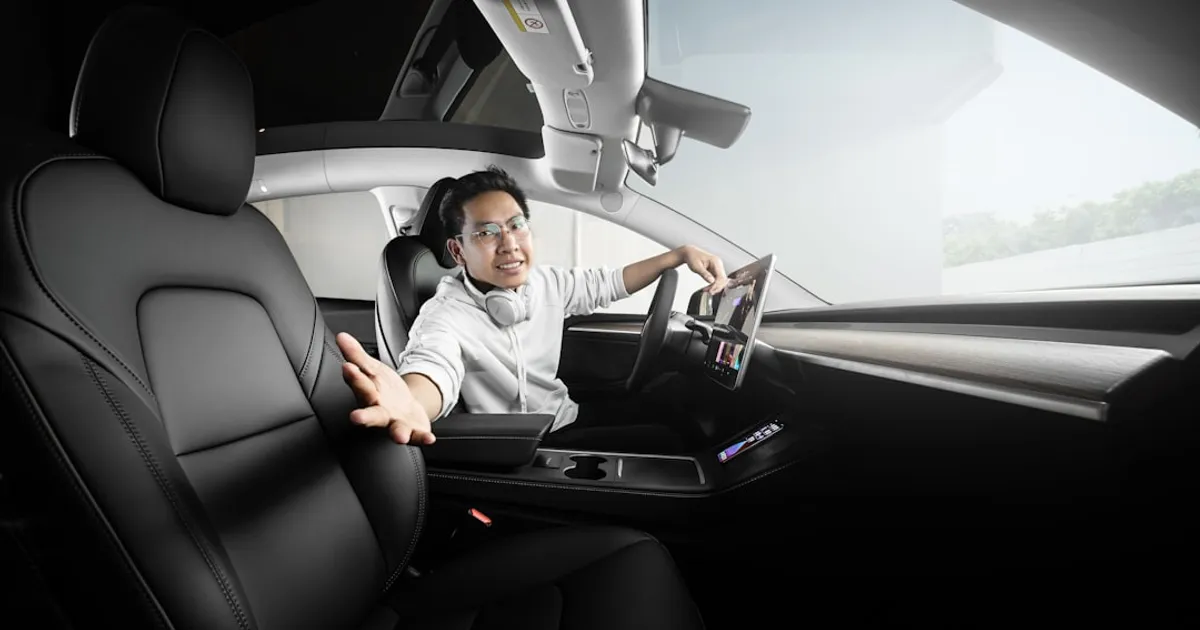
When Mischa Sigtermans called Tesla to ask about the €6,400 he paid for Full Self-Driving in 2019, the answer was: "You just have to be patient." Seven years of waiting. Tesla then closed his case and sent him a link to book a test drive.
The timing couldn't be worse for Tesla. Dutch regulators just approved FSD Supervised for the EU, but only for newer AI4 computers. HW3 owners like Sigtermans get nothing.
Tesla's story keeps shifting. In 2019, FSD was sold as a software-only upgrade to full autonomy. The hardware was supposedly enough. By 2024, Tesla's VP of AI Ashok Elluswamy admitted HW3 runs a "relatively smaller model" with workarounds. In January 2025, Elon Musk finally said HW3 computers would need replacement. He called it "painful and difficult" and said he was "kind of glad that not that many people bought the FSD package."
Fifteen months later and Tesla has done nothing concrete. No retrofit program exists. Customers who paid thousands can't get refunds either. Just vague promises of "v14 Lite" for HW3 in Q2 2026. A diet version of a system that itself is still only Level 2 driver assistance, not the self-driving Tesla originally sold.
A physical hardware swap isn't happening either. AI4's Nvidia Orin chip has different power draw, thermal needs, and camera connectors than HW3's Samsung unit. A real retrofit means replacing wiring harnesses through bumpers, mirrors, and interior pillars. Tesla's workaround is a patent for a "math trick" to compress models onto HW3, which the patent itself admits can render the system "inoperable."
Sigtermans launched hw3claim.nl and signed up 3,000 owners from 29 countries, representing €6.5 million in FSD purchases. They want €6,800 each. EU consumer protection law is built for this exact scenario. When Tesla's own CEO says the hardware can't deliver and their own patent says the fix might break things, "be patient" won't play well in court.