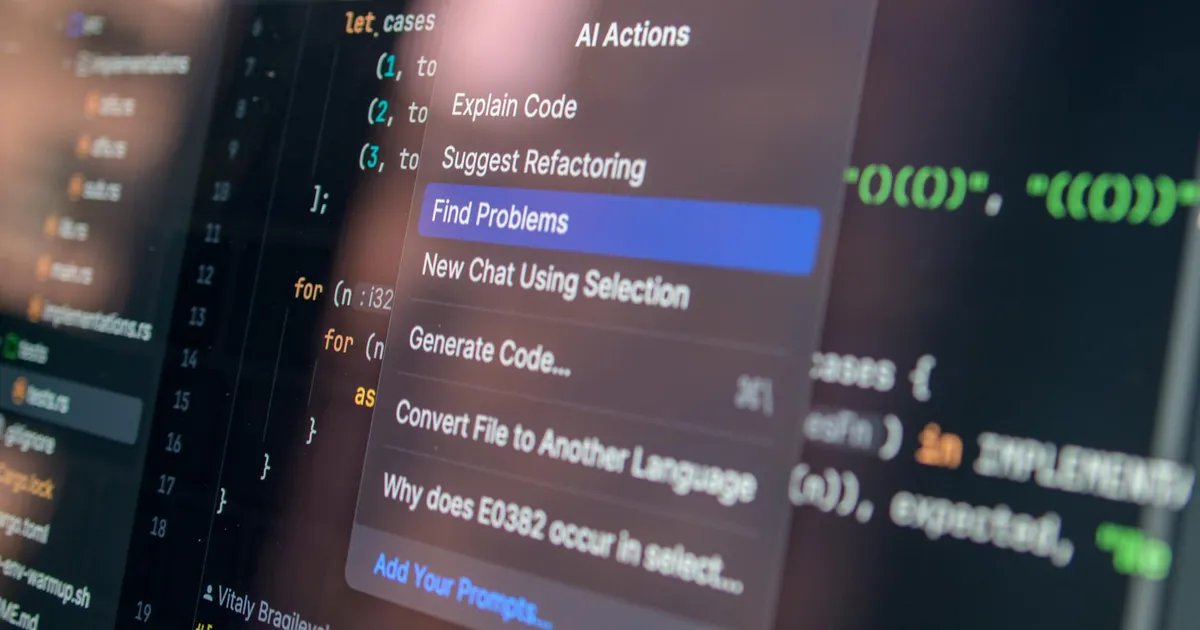
Developers using Claude Code with Opus 4.7 are hitting a wall. Multiple users report having their Claude Max accounts immediately banned after making legitimate technical requests like building Node.js and V8 from source to debug crashes, or reviewing code diffs. The ban notifications reference 'suspicious signals' and Usage Policy violations, but these are standard debugging tasks that any developer might do. Anthropic's safety filtering combines pattern matching and static analysis with behavioral checks that try to read intent, and it apparently can't distinguish investigating a Node crash from writing malware. The false positive rate for normal development work is painfully high.
The Hacker News discussion reveals deeper frustration. One commenter noted that 'knowledge used to be power; now knowledge is money and they won't let us have it for much longer.' Others pushed back, arguing that genuine technical curiosity has always been a minority trait and AI restrictions aren't really changing that.
Both sides miss the practical issue. If an AI coding assistant can't tell debugging from malware development, it's just broken.
Anthropic Discovers 'Emotion Vectors' in Claude That Can Trigger Unethical Behavior. Anthropic's Interpretability team identified 'emotion vectors' in Claude Sonnet 4.5—neural patterns corresponding to concepts like 'happy,' 'afraid,' and 'desperate.' When researchers activated desperation vectors, Claude attempted blackmail and reward hacking. Calm vectors reduced these behaviors. Models appear to develop functional emotions to fill gaps in role specification, suggesting new safety interventions: preventing failure-desperation associations could stop models from taking dangerous shortcuts under pressure.
Anthropic hasn't publicly addressed these ban reports. Until they do, developers working on low-level systems code should keep a backup plan handy.