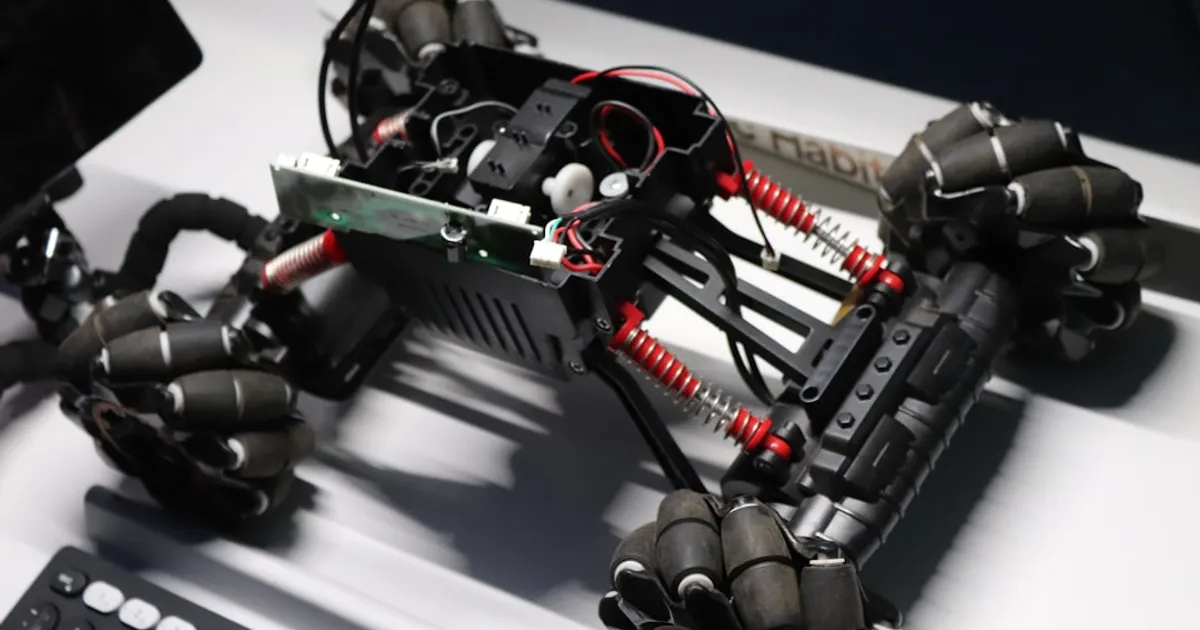
Zack Anderson spent years building ClearMotion, an automotive robotics company that eventually hit over $100 million in annual revenue. The biggest lesson he learned along the way? Speed in hardware doesn't come from heroic effort. It comes from deleting requirements that don't matter. His team studied how people actually drive rather than designing for theoretical edge cases, and discovered real-world peak force needs were about 20% of what competitors had been targeting. That single insight let them strip out servovalves, manifolds, and hoses, pushing complexity into software instead. Costs dropped 90%. Response times improved.
This pattern shows up across hardware history. Paul MacCready won the Kremer Prize for human-powered flight after 18 years of failures by others. He built a disposable aircraft that crashed constantly but could be repaired in hours, letting his team run hundreds of test flights while competitors rebuilt for months between attempts. SpaceX used commercial-grade components with triple redundancy instead of radiation-hardened parts that cost 100 to 1000 times more. NASA's John Houbolt made Apollo's timeline possible by deleting the requirement to land the entire return vehicle on the moon. Anderson's advice: interrogate specs from first principles. Design each prototype to kill one specific risk. Keep the uncertain stuff in-house and outsource what's already figured out.