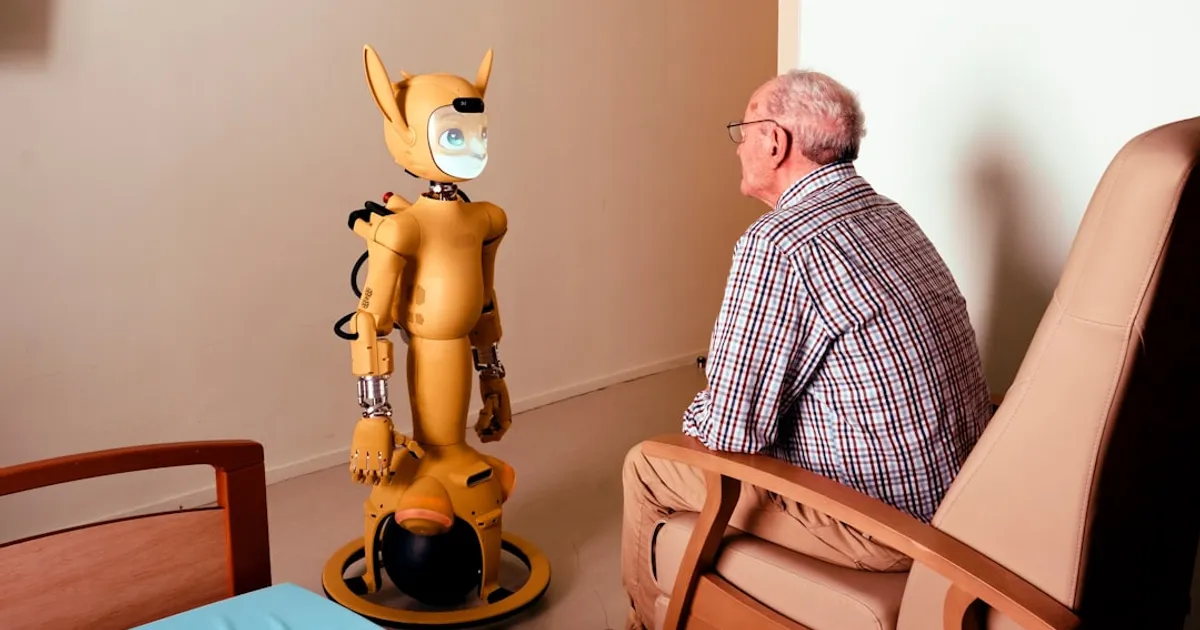
South Korea's Ministry of Health and Welfare is buying AI companion dolls for seniors who live alone. The Hyodol bear, made by a Korean startup, reaches elderly people through government subsidies rather than retail shelves. It treats isolation as a public health problem, though the technology behind these devices carries significant privacy risks due to always-on microphones and cloud processing.
The US market looks nothing like this. Ageless Innovation, a Hasbro spinoff, sells "Joy for All" animatronic pets straight to consumers and recently added generative AI for conversation. Paro Robots positions its $6,000 therapeutic seal as a medical device, selling mostly to nursing homes for dementia patients. Intuition Robotics runs a subscription model for ElliQ, charging monthly fees on top of hardware costs. This competitive landscape is examined in more detail regarding the broader category of robot companions for the elderly.
Same problem, four different business models. Price points range from around $100 to $6,000. Some products are enhanced toys. Others claim clinical legitimacy.
Evidence on effectiveness is thin. The Financial Times reported on the trend recently (their article is paywalled), and studies on whether robot companions actually reduce loneliness remain limited. Companies keep building. Governments and families keep buying. The question won't go away: can a robot genuinely substitute for human contact?