Japan's working-age population is 59.6% and will drop by another 15 million people over the next two decades. 'The driver has changed from simple efficiency to industrial survival,' Sho Yamanaka, a principal at Salesforce Ventures, told TechCrunch. The government under Prime Minister Sanae Takaichi has committed $6.3 billion to the effort, with a target of capturing 30% of the global physical AI market by 2040. They're not chasing productivity gains. They're trying to keep factories and essential services running.
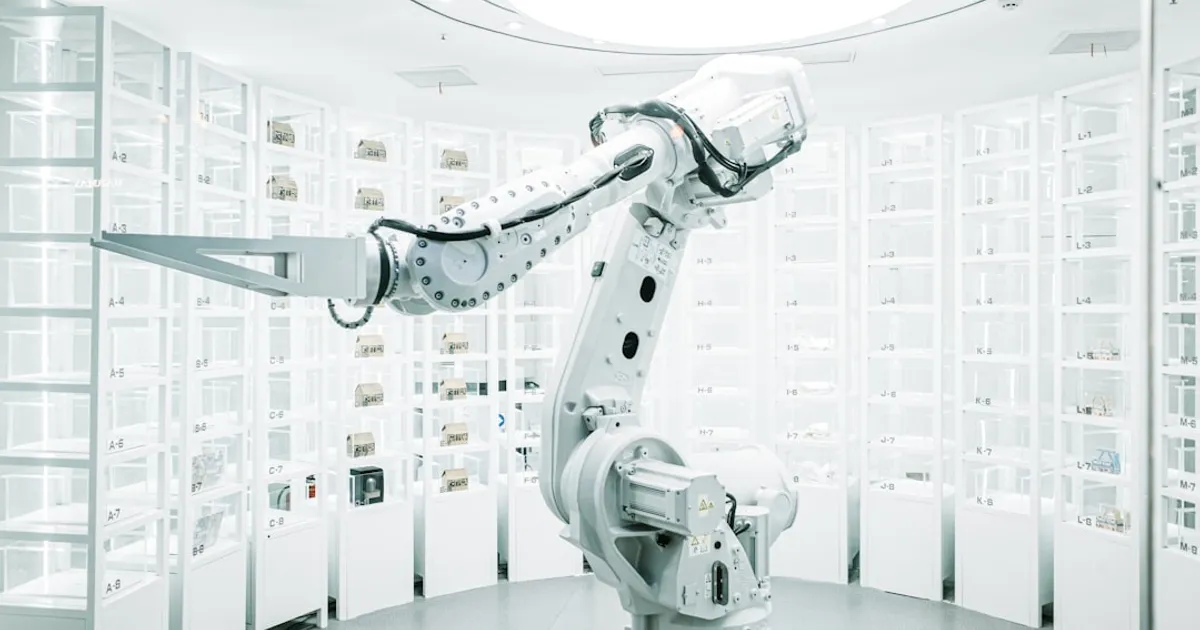
Japanese firms are taking a different path than their US counterparts. While companies like Tesla and Figure AI pour resources into building bipedal humanoids from scratch, Japanese players focus on upgrading the robots already installed in factories. Mujin, one of the leading companies, builds software control platforms that make existing industrial arms autonomous. Issei Takino, Mujin's CEO, argues this matters because physical AI requires deep understanding of hardware characteristics, not just software chops. Japan already controls about 70% of the global industrial robotics market, giving it a massive installed base to work with.
Real deployments are replacing pilot projects. Hogil Doh, a general partner at Global Brain, says the key signal is 'customer-paid deployments rather than vendor-funded trials, reliable operation across full shifts, and measurable performance metrics.' Industrial automation leads the way, particularly in automotive manufacturing where Japan installs tens of thousands of robots annually. But the technology is spreading beyond factories. Restaurants already use robots for food delivery and tablets for ordering, though kitchens remain human-run for now. Woven Capital managing director Ro Gupta frames it simply: physical AI is being bought as a continuity tool to keep operations running with fewer people.