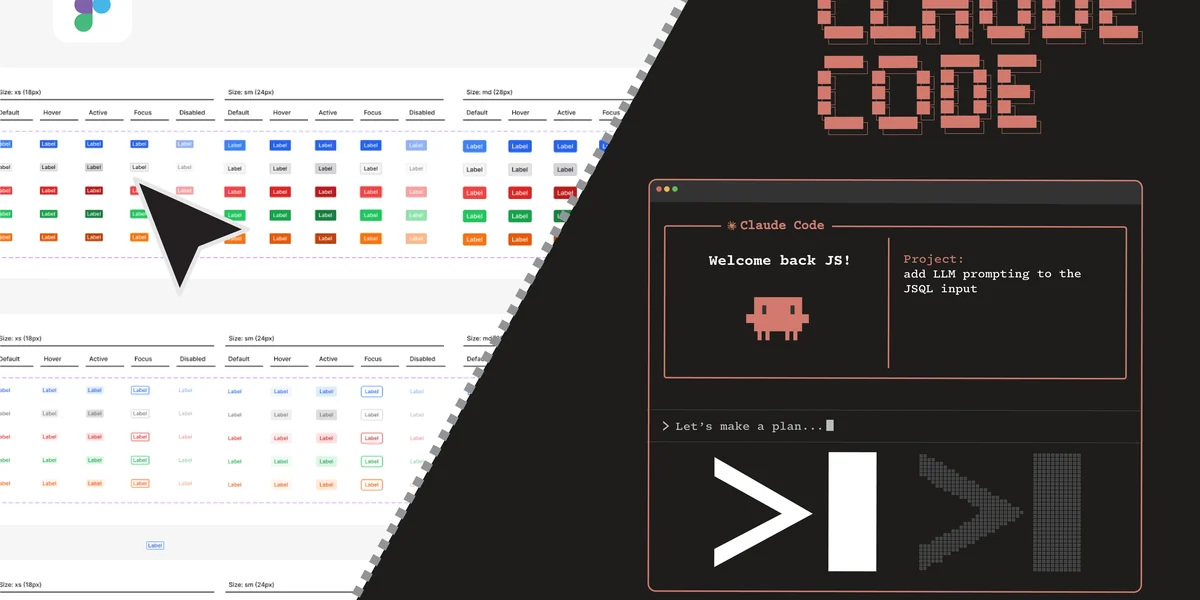
Edwin Morris, a designer at trading firm Jane Street, says he now reaches for Claude before Figma. Instead of spec docs, mockups and proposal reviews, he writes a problem description, hands it to Claude inside the firm's OCaml and Bonsai codebase, and iterates on a working prototype until it behaves exactly as he intends. In the past two months, he writes, the situations where he reaches for Figma have "fallen off a cliff".
The scale is the surprising part. Morris joined only last northern summer and counts OCaml among the things he is not good at yet, but his prototypes now span user-facing, data-model and library changes, including diffs beyond 2,000 lines. One added an LLM prompt box to the firm's internal SQL dialect, refined over days of him living with it and adjusting keyboard shortcuts and copy himself.
Morris is candid about the trade-off: engineers now receive a fully baked feature rather than a proposal they can shape, and review "is not the most fun work". When the mockup is the implementation, design-to-engineering stops being a handoff and becomes a negotiation.