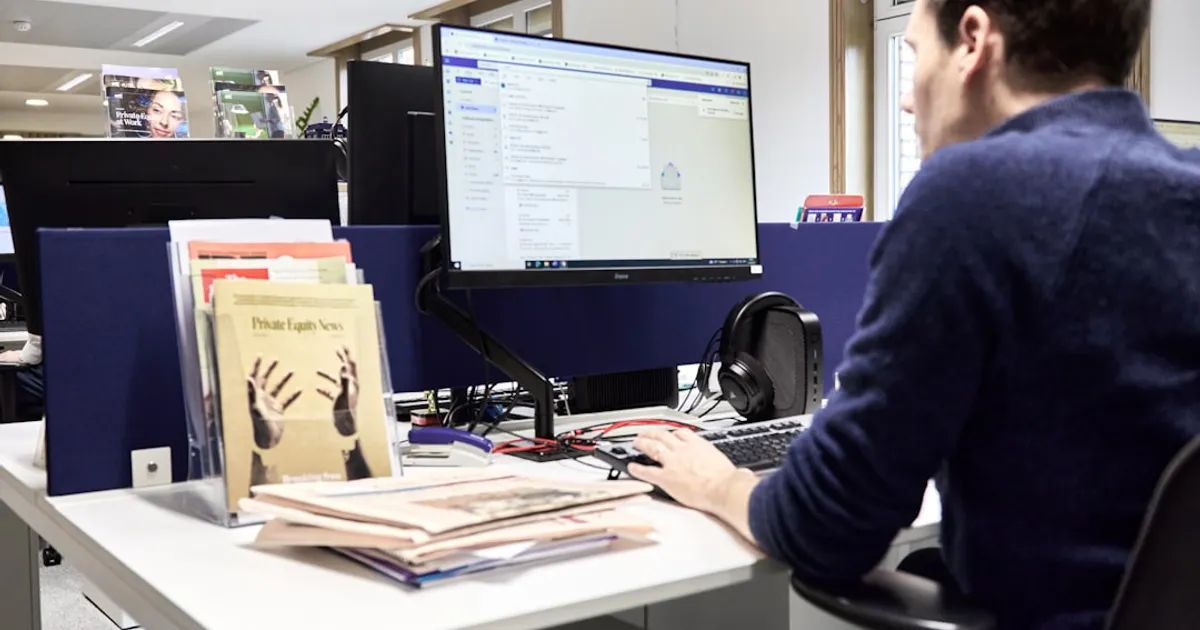
Meta is installing tracking software on its own employees' computers to capture mouse movements, clicks, and keystrokes. The company told staffers the goal is building AI agents that can perform work tasks autonomously, according to reporting by John Herrman at New York Magazine's Intelligencer. Internal memos spell out the plan plainly: "The vision we are building towards is one where our agents primarily do the work and our role is to direct, review and help them improve."
This data collection push comes right alongside a fresh round of Meta layoffs, which the company framed as efficiency measures to offset more than $70 billion spent on AI development. And Meta isn't alone. Block cut its workforce nearly in half. Oracle is laying off up to 30,000 people. Amazon, Snap, Pinterest, and Microsoft are all trimming headcount too, either explicitly to fund AI investment or because leadership believes automation lets them run leaner.
The legal picture here is messy. Under California's CPRA, behavioral biometrics like keystroke patterns are classified as protected personal information, giving employees rights to know what's collected and to request deletion. NLRB General Counsel Jennifer Abruzzo has warned that extensive electronic monitoring can chill workers' rights to organize, especially when the data trains AI meant to replace them. In the EU, GDPR treats biometric data as a special category requiring explicit consent, which is legally shaky when your employer asks.
Alexandr Wang, Meta's new chief AI officer, built his company Scale AI on managing vast contractor workforces doing AI training grunt work under constant surveillance. Now that model is moving upstream to full-time Meta employees. The message to tech workers is blunt: you might be laid off, and even if you keep your job, you'll train your replacement while being monitored to do it.