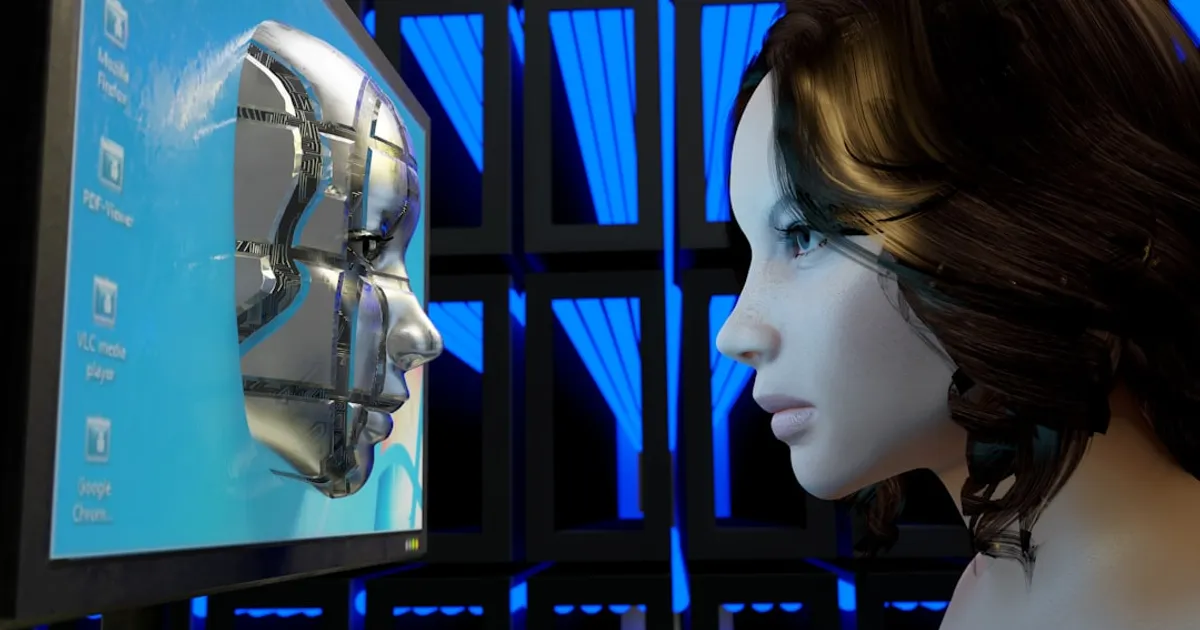
Sam Altman wants to blow up how we interact with computers. In a tweet this week, the OpenAI CEO said it's time to "seriously rethink how OSs and UIs are designed." Lots of tech CEOs say things like this. Altman is actually building the hardware to back it up.
OpenAI hired Tang Tan, Apple's former VP of iPhone and Apple Watch product design, to lead a new hardware division. That team is working with LoveFrom, Jony Ive's design firm, on a dedicated AI device. Reports say it leans away from traditional screens toward a conversational interface. You tell it what you want. It figures out the rest.
The real problem: current operating systems are built for direct manipulation. You click icons, open apps, navigate menus. That works fine when humans drive. It breaks down when AI agents can execute complex tasks on their own.
The future Altman envisions is intent-based. You state a goal, the system handles execution. That needs fundamentally different architecture, not a chatbot slapped on top of Windows.
We've spent forty years refining the desktop metaphor. Altman thinks it's time to retire it.
OpenAI is playing both sides. They're embedding GPT-4o into existing systems through deals with Apple and Microsoft. At the same time, they're building agent tools that treat current OSs as something to control, not something users interact with directly. The AI sees your screen, clicks buttons, fills in forms. You delegate. The operating system becomes infrastructure, not interface.
If that shift happens, Apple and Microsoft have a problem. Their platforms are how they control distribution and take their cut. When you tell an AI what you want instead of tapping an app, who owns that transaction?