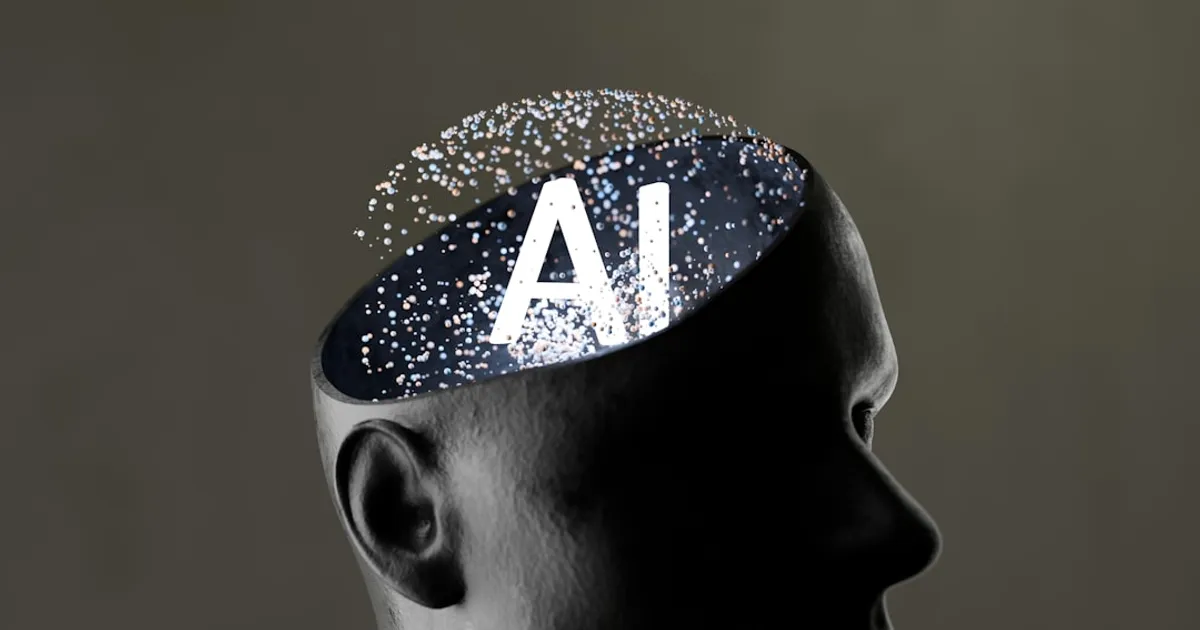
The polling on AI is brutal. An NBC News poll found AI with lower favorability than Immigration and Customs Enforcement. Quinnipiac reports over half of Americans think AI will do more harm than good, with more than 80 percent expressing concern. And here's the kicker: the people who use AI the most hate it the most. Gallup found only 18 percent of Gen Z feels hopeful about AI, down from 27 percent the year before, while 31 percent report feeling angry about it, up from 22 percent. That generation grew up with technology. They're not confused about what AI does. They've used it, and they've decided they don't like it.
Tech executives know there's a problem. They just don't understand what it is. Microsoft CEO Satya Nadella told Decoder that the industry needs to "earn the social permission to consume energy because we're doing good in the world." They haven't earned it. OpenAI CEO Sam Altman admitted that if AI were a political candidate, it would be the least popular in history, and he thinks better marketing might help. The company reportedly spent $200 million on the TBPN podcast to make people like AI more.
You can't advertise someone out of their own experience.
Nilay Patel argues the problem runs deeper than messaging. ChatGPT has 900 million weekly users. People have experienced AI in Google search results, in their social feeds, in their daily lives. And when Anthropic CEO Dario Amodei goes on podcasts saying AI might wipe out entry-level white-collar jobs in finance, consulting, and tech, he's confirming what people already fear. Patel calls this "software brain," a worldview that fits everything into algorithms and databases. The people building AI see the world through code. Everyone else just lives in it.