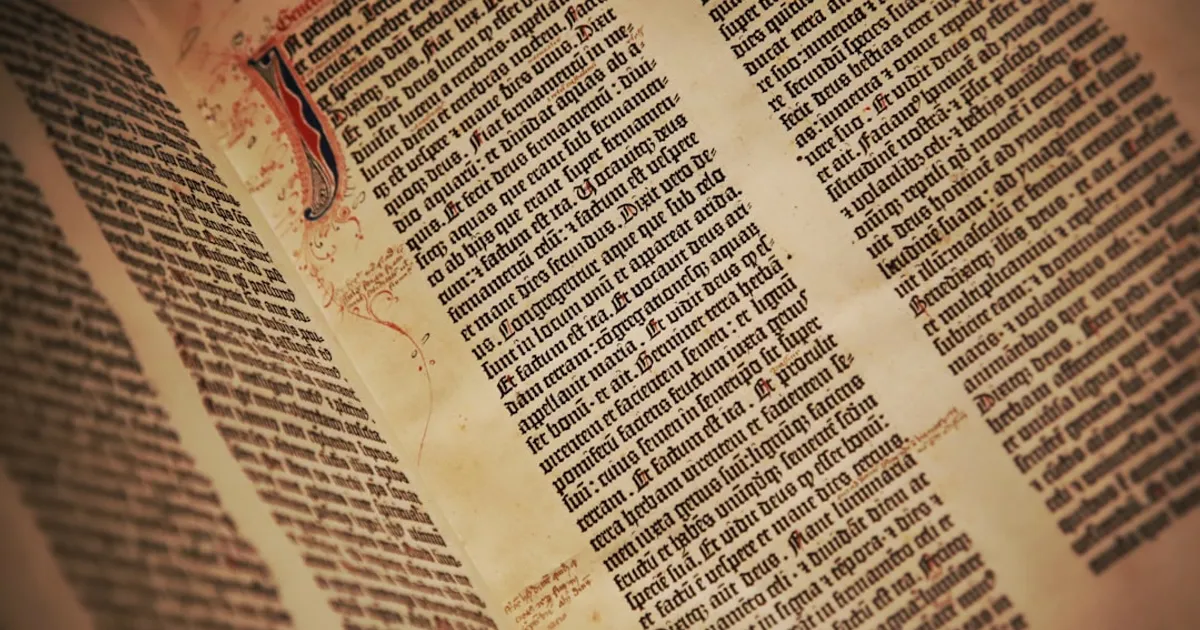
A new Chrome extension called Medievalizer does exactly what it sounds like. Click the icon on any documentation page and watch it transform into an illuminated manuscript, complete with blackletter headings, parchment styling, and prose rewritten in Shakespearean English. The tool uses Anthropic's Claude Sonnet to handle the text conversion, streaming words onto the page one at a time like a scribe at work. Code blocks stay untouched, character for character.
Under the hood, a Shadow DOM overlay covers the viewport without touching the original DOM. One click brings the page back to normal. It maps modern tech terms to archaic equivalents: "install" becomes "summon," "error" becomes "affliction," "API" becomes "the Arcane Interface." Pages over 25,000 characters get truncated with a note from the scribe explaining why.
Hacker News commenters had one main correction. The output is more accurately Elizabethan or Renaissance English, not true Medieval English, which would be nearly unreadable for modern speakers. Fair point. But accuracy aside, it shows what structured prompting can pull off with a capable model like Claude Sonnet, similar to how Gemma Gem runs local AI agents in Chrome.
You'll need your own Anthropic API key, stored locally in your browser. It's MIT licensed, available on GitHub from user theletterf, and installs through Chrome's developer mode. To understand the nuances of how these tools retrieve content, check out the Agent Reading Test.