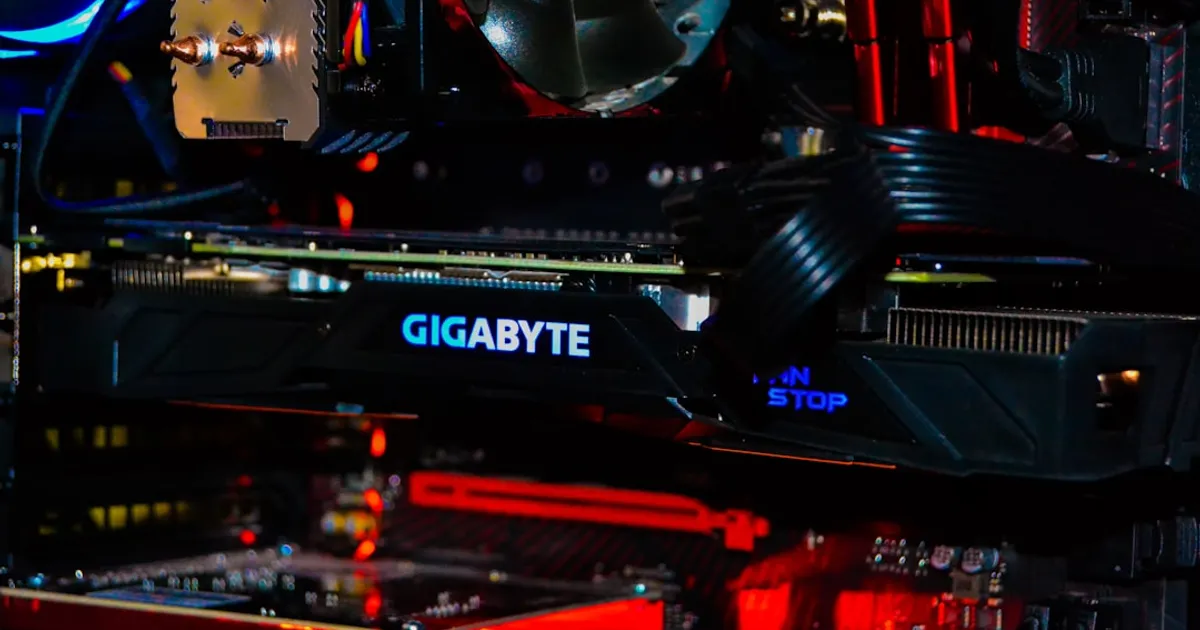
GPU rental prices for Nvidia's Blackwell chips hit $4.08 per hour this week, up from $2.75 just two months ago. That's a 48% jump. CoreWeave, one of the biggest GPU cloud providers, raised prices 20% and extended minimum contracts from one year to three. If you're building AI products, compute just got much more expensive and much harder to lock down.
Big AI companies are feeling it too. OpenAI CFO Sarah Friar said the company is making "very tough trades" on projects because they don't have enough compute. Anthropic has limited access to its newest model to roughly 40 organizations. Oracle CEO Safra Catz acknowledged turning customers away due to capacity constraints. Startups face an even tougher road.
Tomasz Tunguz at Theory Ventures sees a pattern forming. When hardware gets scarce, access becomes relationship-based, gated to strategic customers. The best models go to the highest bidder, or they don't go anywhere at all. Performance guarantees disappear. Prices climb. Developers who once bet on frontier models start looking at smaller open-source options and on-premise deployments as backup plans.
How long will this last? A while. Intel CEO Lip-Bu Tan predicted no relief until 2028. Microsoft has chips sitting in inventory because there aren't enough data centers to deploy them. Scarcity extends beyond GPUs to power, memory, and basic data center capacity.
Pressure breeds workarounds. Open-weight models like Qwen, while 6 to 12 months behind the frontier, may prove good enough for many applications. AMD's MI300X is gaining traction alongside Groq's LPUs and SambaNova's specialized silicon as companies look for alternatives to Nvidia's constrained supply chain.