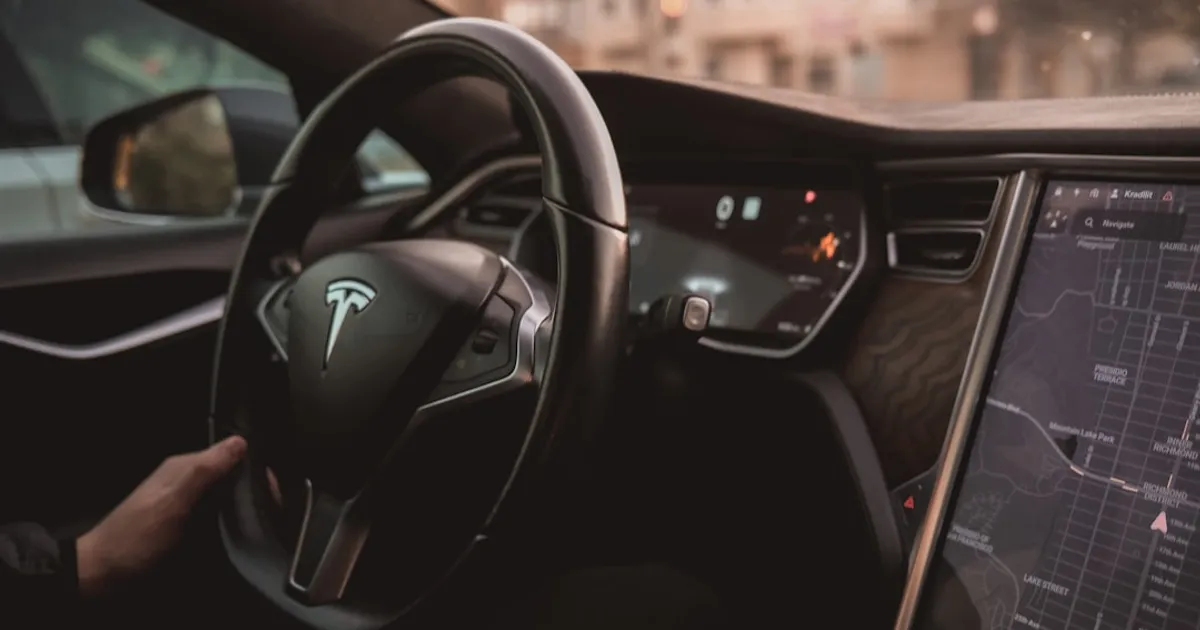
Tesla caught over 100,000 cars running hacked Full Self-Driving software and remotely killed the feature. According to autoevolution, the bulk of these vehicles were in China, with others scattered across Europe, Japan, South Korea, and the UK. Markets where FSD hasn't received regulatory approval. Owners had plugged unauthorized devices into their car's CAN bus to spoof the system into thinking they'd paid for the feature. These gadgets ran between $586 in Europe and $2,000 in Asia, per Not a Tesla App. A lot cheaper than Tesla's $99 monthly subscription, which became the only option after the company discontinued one-time purchases on February 14.
The hack worked by intercepting data packets between the car's Gateway and Autopilot ECU, tricking the vehicle into seeing a valid FSD license. Tesla noticed. The external hardware introduced timing anomalies on the CAN bus and failed cryptographic signature checks. When the car's self-reported configuration didn't match Tesla's cloud records, the company sent warnings and disabled driver assistance remotely. Some owners who legally purchased FSD in the US before moving their cars abroad got caught in the sweep and reported permanent bans from Tesla services.
The stakes are real. In South Korea, using hacked FSD could mean jail time. Tesla killed the systems without offering refunds, according to the report. Meanwhile Tesla rolls out FSD v14.3 with 20% faster reaction times. But the enforcement story matters more. Tesla showed it can detect hardware hacks at scale and brick features on cars sitting in driveways across the globe. Over 100,000 owners just found out what that feels like.