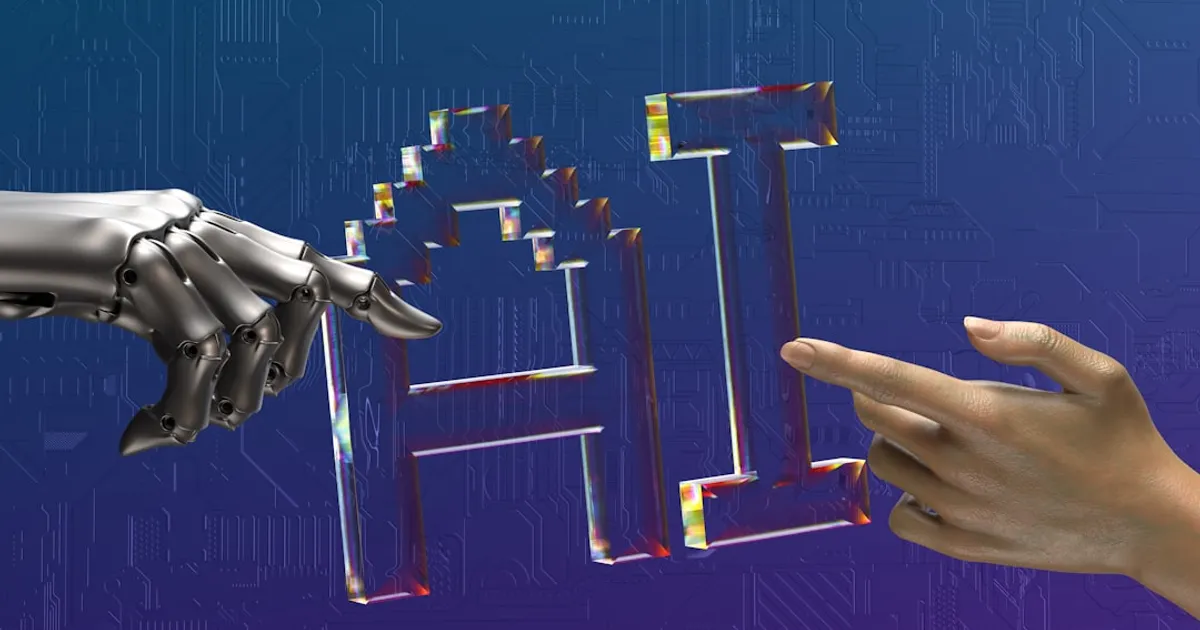
A new paper from Brett Hemenway Falk and Gerry Tsoukalas lays out an uncomfortable truth about AI automation: even when companies know that firing workers destroys their own customer base, they can't stop doing it. The researchers built a competitive task-based model showing that demand externalities trap rational firms in an 'automation arms race.' Everyone displaces workers beyond what's collectively optimal, and nobody can afford to be the one who doesn't automate.
What makes the paper interesting is how thoroughly it kills off the usual policy prescriptions. Wage adjustments? Don't fix it. Universal basic income? Doesn't fix it. Upskilling programs, worker equity participation, capital income taxes, free market entry? None of them solve the core coordination failure. The authors argue that only a Pigouvian automation tax, a penalty on the act of displacing workers itself, can break the cycle by making each firm internalize the cost its layoffs impose on aggregate demand.
Real-world attempts at this have gone badly. South Korea passed what amounted to a robot tax in 2017 by cutting tax deductions for automation investments, then backed off after industry complaints. The EU explicitly rejected a robot tax the same year. San Francisco Supervisor Jane Kim proposed taxing automated services to fund worker retraining in 2018. That stalled. Andrew Yang made automation central to his 2020 presidential run but proposed a VAT instead of directly taxing automation, sidestepping the core problem the paper identifies.
The implication for the AI agent space is blunt. The researchers found that more competition and 'better' AI amplify excess displacement, not reduce it. As agents get more capable and cheaper to deploy, the incentive to replace humans only intensifies. The market won't self-correct. With 90% of developers now using AI tools, open source maintainers are burning out and companies are cutting engineering jobs. The math guarantees it.