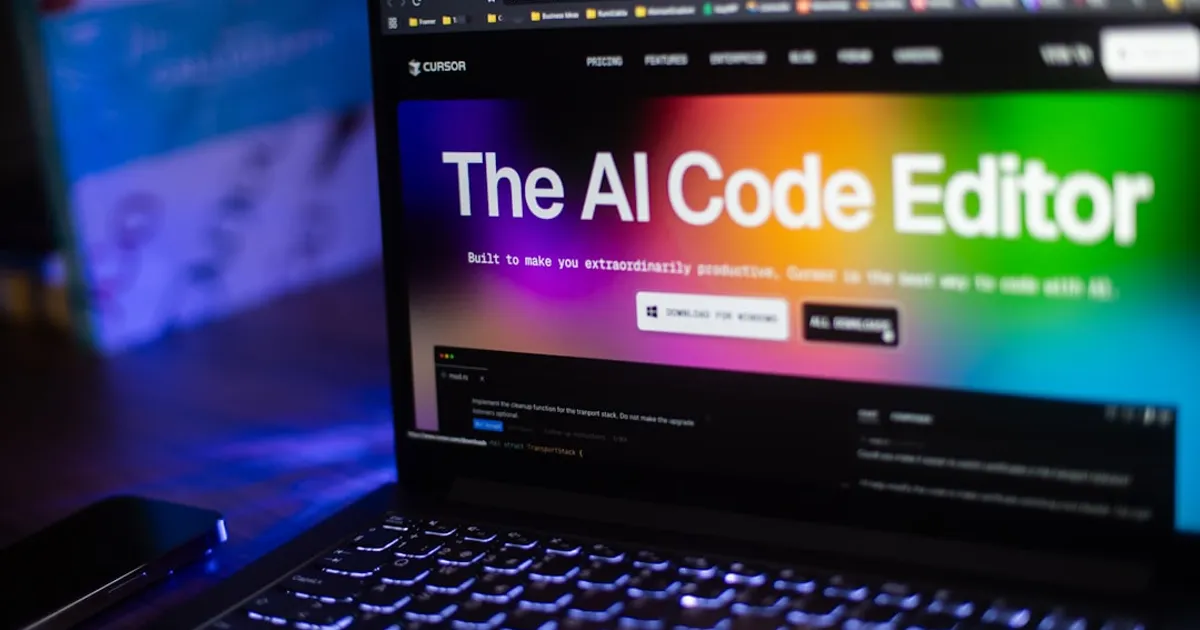
Armin Ronacher, the software engineer behind Flask and other widely-used Python tools, has written a piece that cuts to the heart of why AI coding agent discussions feel so stuck. Critics who haven't used coding agents extensively can point to real problems like security risks, sloppy output, and environmental costs. But their criticism stays abstract. Ronacher argues that grounded critique requires weeks of actual use, not hours. That threshold is expensive, and most people won't pay it.
What fills the measured middle is a self-selected group: people curious enough to invest time without being true believers. From the outside, they look like adopters. Ronacher points to developers like Mario, who built a coding agent and remains one of the technology's vocal critics. These users can tell you exactly where agents fail, like Imbue's 100-agent testing swarm. But because they kept using the tools long enough to learn those lessons, they appear compromised to anyone who rejected the tools outright.
Ronacher's observation extends past coding tools. Developer culture has cycled through these fights for decades. Java versus C++, React versus Angular. Skeptics refuse to engage. Enthusiasts excuse every flaw. Meanwhile the middle looks biased for the simple reason that forming an opinion required using the tools. One Hacker News commenter noted a blind spot: if the center is defined by engaged majority users, it risks dismissing people with complex accessibility needs whose experiences differ from the mainstream.