OpenAI just put its £31bn Stargate UK project on ice. The company blames high energy costs and regulatory uncertainty. That's the official line. The reality is messier.
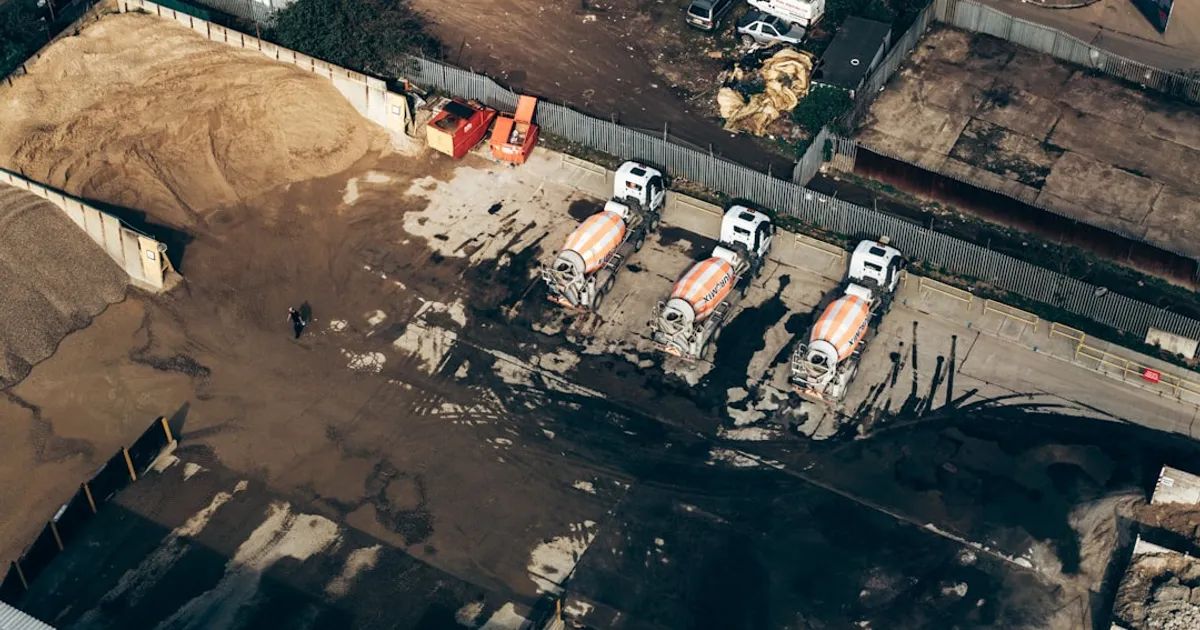
A Guardian investigation last month found the project was mostly hot air from the start. The supposed supercomputer site in Essex? Still a scaffolding yard in March, despite promises it would go live in 2026. OpenAI's actual commitment was vague: it would "explore the offtake" of 8,000 Nvidia GPUs at datacenters built by Nscale, a UK startup with zero track record building datacenters. Not exactly a binding contract.
The whole thing reeks of performative dealmaking. Announced during Donald Trump's UK visit in September 2025, Stargate was framed as infrastructure that would "power the UK's economy." Tom Hegarty from Foxglove called it: ministers jumped "fully aboard the AI hype train" without checking if the tracks were laid. Nscale CEO Joshua Payne comes from quantitative trading, not construction. His company raised $155 million in Series A funding but has no operational facilities to point to. Andy Lawrence from the Uptime Institute noted that demand for the project "wasn't, and still isn't apparent."
The UK wanted sovereign compute capacity for security reasons. It got a press conference instead. UK industrial electricity prices were already the highest in Europe. Then the US-Israel military strikes on Iran hit energy markets, pushing prices even higher. Sam Richards from Britain Remade called this a "stark warning" that Britain is too expensive to build in. Maybe. Or maybe the warning is simpler: don't treat every big tech press release like a done deal.