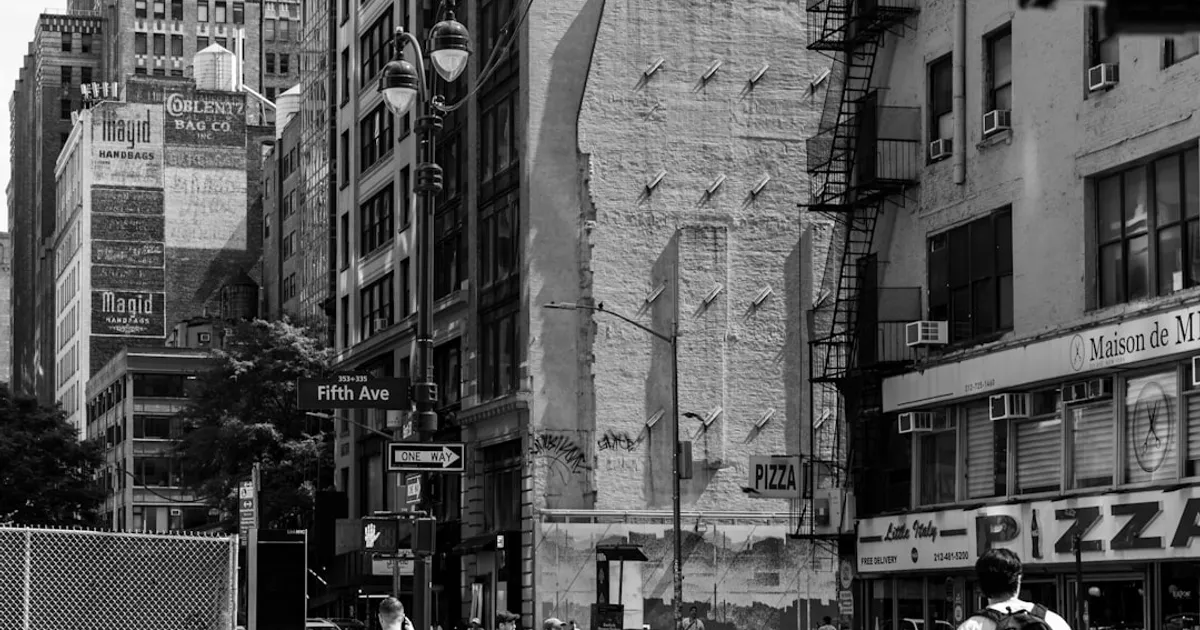
Dan Vanderkam spent two years quietly rebuilding OldNYC, the historic photo mapping project. The payoff: 10,000 additional photos, better location accuracy, and lower operating costs. The key was using GPT-4o to extract locations from text descriptions that previous geocoding methods couldn't handle, like parsing "Havemeyer Street, west side, from North 6th to North 7th Streets" into actual coordinates. Combined with historical street data from OpenStreetMap, this approach located 87% of photos with usable data, with 96% ending up in the right spot.
The OCR improvements are equally dramatic. Vanderkam's original 2015 pipeline used Ocropus and achieved 99% character accuracy, but errors were still common enough that users submitted thousands of typo corrections. Swapping in gpt-4o-mini increased text coverage from 25,000 to 32,000 images, and the new model outperformed the old one 75% of the time. Despite broader concerns about OCR accuracy on multi-page documents, this overhaul resulted in cleaner text extraction. One tip from Vanderkam: GPT worked best when given only the image, since providing context like titles caused it to hallucinate text that wasn't there.
There's also a practical lesson about infrastructure costs. Google Maps would have cost $35/month under new pricing, so Vanderkam migrated to OpenStreetMap vector tiles and MapLibre instead. Strategies for reducing infrastructure overhead are a hot topic, but for a hobby project, that swap covered the API costs needed to process 49,000 photos while keeping the site sustainable.