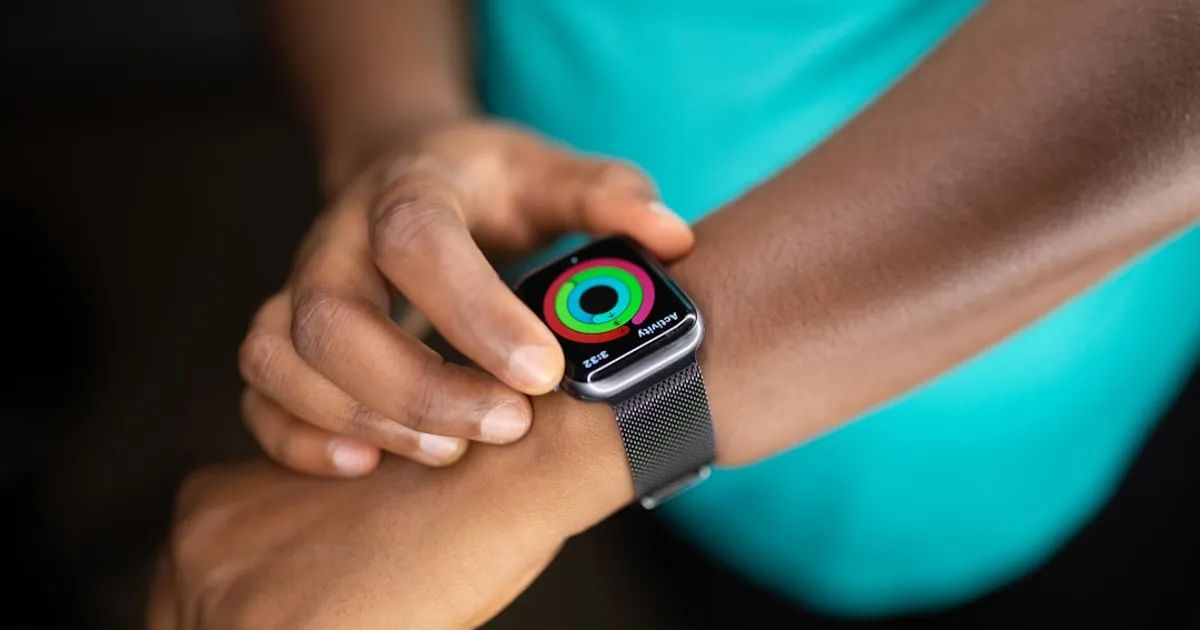
A new tool called Pace connects your fitness wearables directly to Claude, letting you ask questions about your health data in plain language. Instead of digging through apps to interpret your HRV score or sleep stages, you can ask things like "Am I recovered enough for hard training today?" and get a real answer. It works with Garmin, Oura, Whoop, Polar, Apple Health, and 50-plus other devices via Terra's API aggregation layer.
The technical setup uses PostgreSQL with JSONB storage for time-series data, and you add it to Claude through the connectors setting. But there are real constraints. Garmin's API caps requests at roughly 25 per 15 minutes, and high-frequency sleep tracking data, sampled every 30 seconds, creates query performance challenges for longer analysis windows.
Pace offers a free tier with one device and 30 days of history, while the €9/month Pro plan includes unlimited devices and full data history. A Trainer tier for coaches managing up to 10 athletes is coming soon. The competition is already here, though. Oura has its AI-powered "Oura Advisor" feature. Whoop offers "Coach" for personalized training recommendations. Apple Health and Fitbit Premium have built their own ML-driven insights. Pace is betting that people want an independent layer connecting their data to more capable AI models.
This is one of the first real applications of Anthropic's Model Context Protocol for health data. The protocol is still young, but tools like Pace show how AI assistants might actually get useful access to personal data sources. Whether users will trust a third-party service with their health metrics is the open question.