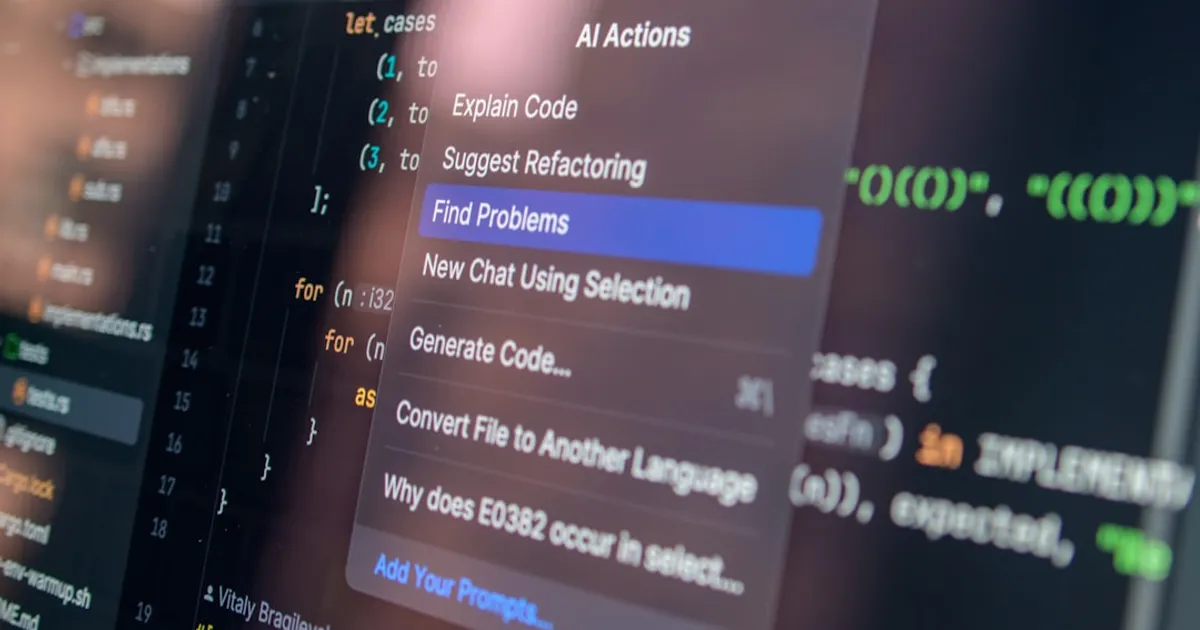
A developer couldn't figure out how to suggest a feature to existing AI coding tools, so they built their own. Modo is a new open-source AI IDE that implements spec-driven development workflows: instead of jumping straight from prompt to code, it runs through requirements, design, and tasks before generating implementation. Built on Void (a VS Code fork that recently paused development), Modo is MIT licensed and a transparent alternative to proprietary tools like Cursor, Windsurf, and Kiro.
The spec-driven workflow creates persistent markdown files in a .modo/specs/ directory. Each spec contains requirements with user stories, design documents covering architecture and data models, and task checklists that the agent works through one by one. Tasks persist to disk, so you can close the IDE and pick up later.
A CodeLens feature adds clickable "Run Task" buttons inline in task files, with spinners for in-progress work and checkmarks for completed items.
Modo adds several control mechanisms that address common frustrations with AI coding agents. Steering files let you define project rules that get injected into every AI conversation, so you don't repeat yourself. Agent hooks automate actions based on events like file edits or tool usage, configured via JSON files. An autopilot toggle switches between autonomous mode and supervised mode where the agent pauses for approval before proceeding.
The tool also supports parallel chat sessions, subagents for independent tasks, and installable "Powers" (knowledge packages for frameworks like React and Docker). The project inherits multi-provider LLM support from Void's foundation, including Anthropic, OpenAI, Gemini, Ollama, and others.
By enforcing planning before execution, Modo targets developers who want more control over architectural decisions rather than accepting whatever code an AI spits out. The tradeoff is speed for predictability. For teams building something that needs to last, that's a reasonable bargain.