Stack Overflow, once the default destination for developer questions, has seen daily question volume fall roughly 99% from its peak, according to data pulled from the Stack Exchange Data Explorer (SEDE). Software industry blogger Gergely Orosz of The Pragmatic Engineer highlighted the figures in a May 2025 post titled "Stack Overflow is almost dead," noting that monthly question counts have nearly returned to levels last seen at the site's September 2008 launch — a near-total collapse of the activity that defined the platform for over a decade. The data sparked a sprawling discussion on Meta Stack Overflow, with the site's own moderators and longtime contributors pushing back on the framing while acknowledging the underlying numbers.
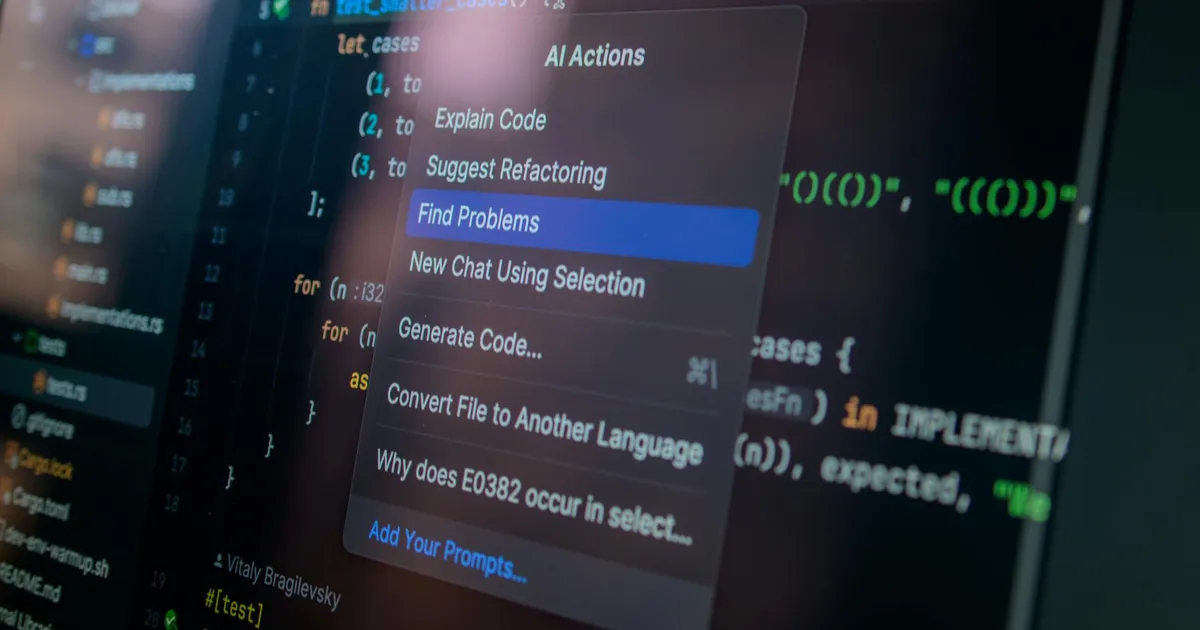
The Meta thread identifies two compounding causes for the decline. The first is structural: aggressive moderation that intensified around 2014 made the platform increasingly unwelcoming, driving away both new and experienced users well before AI tools arrived. The second is displacement: ChatGPT and similar LLM-based coding assistants now field the routine, answerable queries that once drove Stack Overflow traffic. The recursive irony is not lost on participants — as one Meta commenter acknowledged, ChatGPT's quality on programming questions is plausible precisely because it was trained on Stack Overflow's own data corpus from the platform's peak years. The tool cannibalizing SO was built on SO.
For the AI agent ecosystem, the Stack Overflow case is one of the clearest data-backed examples of agentic tools taking over a legacy knowledge platform's central function. Routine developer queries — syntax errors, common library usage, known gotchas — are now handled adequately by LLMs without a human expert in the loop. What gets lost in that shift is harder to quantify: the novel edge-case questions, the peer-validated corrections, the adversarial back-and-forth between domain experts that gave SO's training data its ground-truth character in the first place. Academic work on model collapse (Shumailov et al., 2023) suggests that as human-generated signal thins and synthetic data fills the gap, future models may become progressively blind to exactly the rare, frontier problems that define serious engineering work.
Stack Overflow the company has been repositioning its enterprise product — formerly Stack Overflow for Teams — toward a hybrid of human knowledge and AI tooling for workplace use, effectively stepping back from the public consumer Q&A model. LLMs have permanently altered the economics of on-demand expert answers, and the company's moves reflect that. The broader picture is now difficult to dispute: AI agents are doing the jobs that legacy knowledge platforms were built around, and the community dynamics that might have provided those platforms some defensive durability were already eroding long before the models showed up.