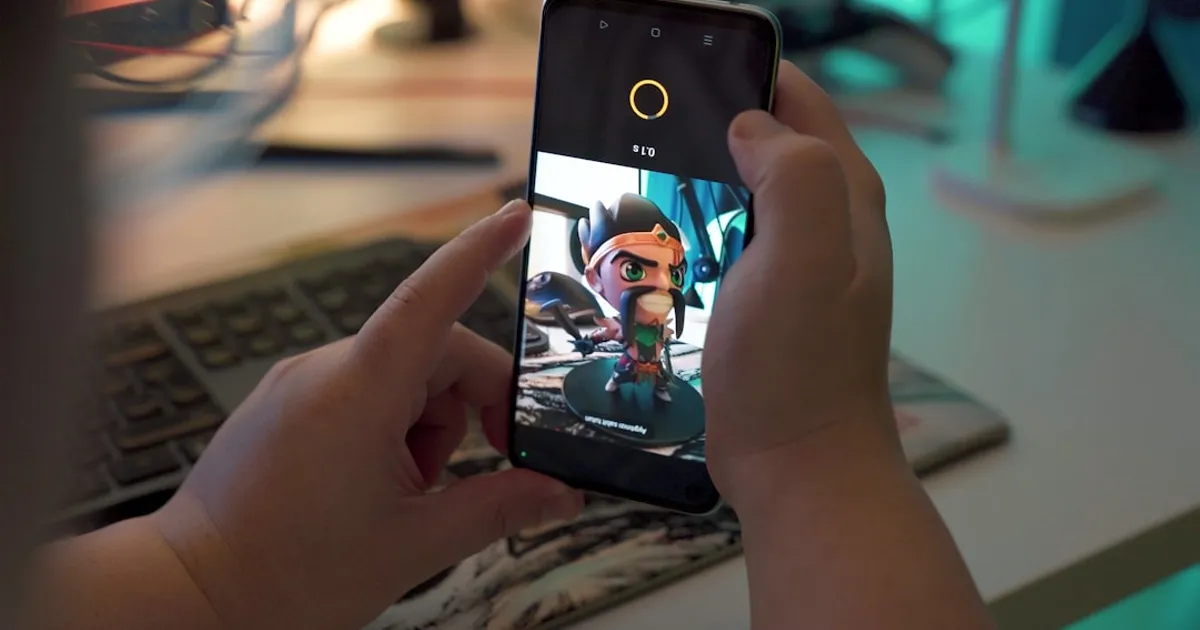
A developer going by rhodey has released Hecate, an open-source project that lets users video call an AI assistant through Signal's end-to-end encrypted calling infrastructure. The system runs on Linux and stitches together several privacy-focused components: speech-to-text via OpenAI's Whisper (whisper-large-v3-turbo) or Mistral's Voxtral (voxtral-small-24b), LLM inference via Tinfoil.sh using models including Llama 3.3 70B, Kimi K2.5, and DeepSeek R1, and local text-to-speech synthesis through Kyutai Labs' Pocket TTS. For video calls, OBS Studio captures a browser-rendered animated VRM avatar built with pixiv's three-vrm library and pipes it into a virtual camera, giving the AI a visual animated presence on the other end of the call.
Privacy is a central design concern. Hecate routes LLM inference through Tinfoil.sh, which runs models inside secure hardware enclaves using confidential computing, meaning user data is provably inaccessible even to the platform operator. Signal's safety number system adds a further trust layer: if the AI's identity key changes, the user is warned before the next call is permitted. The assistant intentionally has no memory between calls, which the developer notes reduces risk in the event an unknown caller reaches the registered second phone number.
Pocket TTS from Kyutai Labs handles voice output without a GPU — the 100-million-parameter model runs CPU-only, hitting around 200ms first-audio-chunk latency at 6x real-time speed on modern hardware. That's fast enough for back-and-forth conversation on a standard server without dedicated inference hardware. The calling loop is managed via a Justfile, with commands like "just loop" and "just video" keeping the setup accessible to technically proficient users. Avatar models are sourced from VRoid Hub, giving the assistant an anime-style visual character.
There aren't many self-hosted AI setups where you can hand someone a phone number and have them ring your local model. Mac support is currently limited, and rhodey is accepting contributions on that front. The code is available on GitHub under the MIT license.