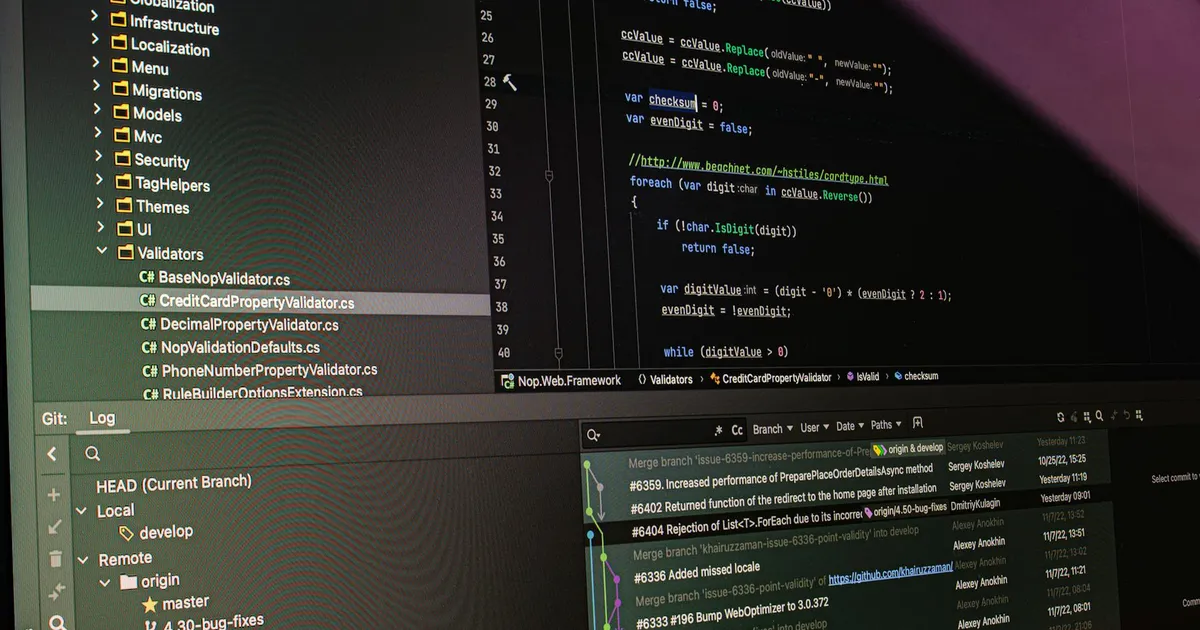
The problem is familiar to any developer who has used an AI coding assistant on a real project: the model doesn't know your codebase, so it defaults to generic patterns that clash with your stack, your conventions, or the library you picked six months ago for a good reason. Cursor's .cursorrules files are one fix. Drop a configuration file in the project root and the editor's AI picks up persistent, project-specific instructions — coding standards, preferred frameworks, architectural constraints — and applies them across every suggestion it makes.
PatrickJS's awesome-cursorrules repository collects these files, contributed by the developer community, across frontend frameworks including React, Angular, Vue, Astro, and Svelte; backend and full-stack setups; mobile development; testing; and language-specific configurations. It has become the default place developers go when setting up Cursor on a new project.
The appeal beyond the obvious time-saving is that .cursorrules files are versioned alongside the code. Teams can commit them to the repository and get consistent AI behavior across all contributors — institutional knowledge stored as configuration rather than word-of-mouth or a Notion doc someone forgot to update.
The mechanism sits in a broader context. Unblocked MCP, one of the repo's sponsors, does something conceptually similar at a larger scale: surfacing team knowledge from Slack, Confluence, and Jira into AI coding tools like Cursor and Claude. The two approaches — project-level config files and external knowledge retrieval — are converging on the same problem from different directions.
The sponsor list itself is worth reading as an industry signal. Alongside Unblocked MCP is Warp, which started as a terminal app and has been building toward agentic development workflows, and CodeRabbit, an AI code review platform that claims usage across two million repositories. These aren't random sponsors. The AI-assisted development workflow is fracturing into distinct competitive layers — context and configuration, code generation, orchestration, post-generation review — and companies are planting flags in each one. Community repositories like awesome-cursorrules have become where developers share configuration knowledge across that whole stack, making them useful real estate.
CodeRabbit's two-million-repository figure comes from the company itself and has not been independently verified.