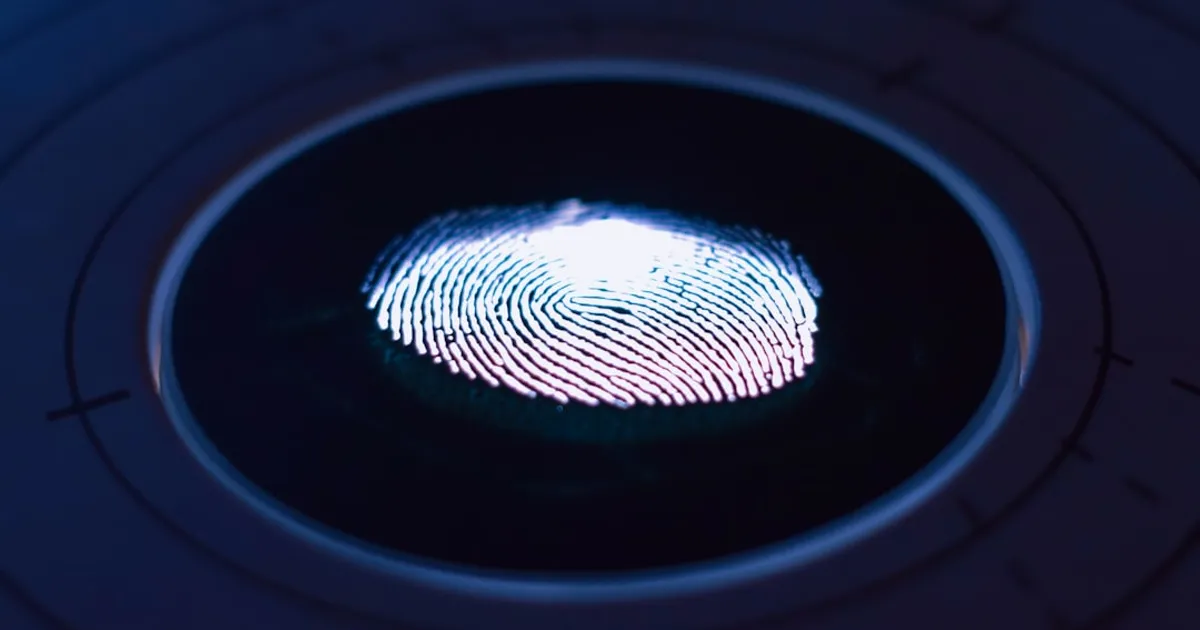
Tinder wants to scan your eyes. So do Zoom and Docusign. On April 17, World, the biometric ID project co-founded by Sam Altman and Alex Blania, announced it's working with all three companies to verify users are real humans, not bots or scammers. The system uses spherical devices called Orbs to scan irises and create what World calls 'proof of humanity' IDs. According to Rest of World, the project claims to have verified more than 18 million people across 160 countries.
But that expansion has come at a cost. Kenya, Spain, Portugal, India, Brazil, Hong Kong, Thailand, the Philippines, and Indonesia have all either halted or banned World's operations. An MIT Technology Review investigation in 2022 found the company was collecting data beyond iris scans, including heartbeat and breathing patterns, without proper consent. Spain's regulators caught World collecting minors' data. Brazil banned the project outright after discovering it paid citizens for iris scans, which violated the country's requirement that biometric consent be 'free, informed, and unequivocal.' Edward Snowden called the whole thing a mass 'cataloguing of eyeballs.' The expansion raises questions about the long-term use of identity verification infrastructure as a tool for corporate and government control.
So why are U.S. companies jumping in? The regulatory landscape here is patchier than Europe's. There's no federal biometric privacy law equivalent to the EU's GDPR. Some states have strong protections, others don't. Tools for Humanity, the company behind World, has been lobbying hard in Washington after receiving an SEC subpoena in November 2023 about whether its token counts as a security. They hired John Rizzo, a former Treasury official, to lead government relations. The pitch is simple: frame World as infrastructure for distinguishing humans from AI, not as crypto. It's a smart angle when lawmakers are spooked about deepfakes, prompting other companies to explore identity checks to mitigate AI risks.
The question is whether corporate adoption outpaces the regulatory reckoning. World keeps publishing studies claiming public support in places that have actually banned it. That's a bold move. The new partnerships give World something it badly needed: legitimacy from household names. But 18 million verifications sounds less impressive when you remember the project offered people $50 in crypto to sign up. Paid adoption isn't the same as earned trust.